


























Advertisement
60 Seconds
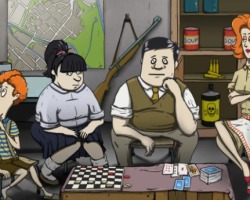
60 Seconds is a survival and decision-driven strategy game built around emergency preparation and long-term resource management. The gameplay is divided into two distinct phases. The first phase is a real-time collection sequence where players have a strict sixty-second limit to gather supplies and rescue family members. The second phase transitions into a turn-based survival model inside an underground shelter. The structure focuses on planning, prioritization, and risk management rather than combat mechanics. Outcomes are shaped by player choices and event responses.
The 60-Second Preparation Phase
Each playthrough begins inside a house moments before a nuclear strike. Players control Ted, who must navigate rooms quickly while selecting which items and people to bring into the bunker. Objects vary in practical value, including food, water, tools, and utility equipment. Because the timer is fixed, not everything can be saved. This limitation forces prioritization under pressure. The procedural layout of the house ensures that item placement differs between sessions, affecting optimal routes and decisions.
The selection process directly influences later survival conditions. Missing essential resources increases difficulty, while securing useful tools may unlock additional options. The preparation phase establishes the foundation for the remainder of the game.
Shelter Survival And Daily Decisions
After entering the bunker, gameplay shifts to a structured daily cycle. Players manage limited resources and respond to random events. Each day requires choices regarding ration distribution, character actions, and environmental threats. Characters may become ill, injured, or psychologically unstable depending on conditions. External expeditions offer opportunities to obtain supplies but involve uncertainty and potential losses.
Key survival systems include:
- Food and water rationing
- Character health management
- Expedition planning
- Event-based decision making
- Item usage and preservation
These systems operate continuously and determine how long the shelter can function.
Events And Consequences
Randomized events form the core challenge of 60 Seconds. Situations may involve visitors, equipment failures, resource shortages, or environmental hazards. Each event presents multiple response options with uncertain outcomes. Decisions may result in benefits, penalties, or delayed effects. This structure emphasizes probability assessment and resource evaluation. There are no guaranteed solutions, only calculated risks.
Endings And Replay Structure
The game includes multiple endings based on survival duration, character status, and narrative developments. Rescue scenarios, internal collapse, or external dangers can conclude a run. Because item availability, events, and outcomes vary, replaying produces different scenarios. Strategy adjustments and alternative decision paths lead to new results.
Advertisement



























































Comments