


























Advertisement
A Nostalgic Hangout Game
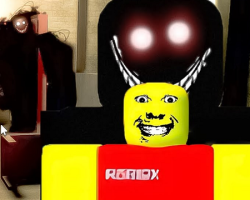
A Nostalgic Hangout Game is an exploratory Roblox experience that presents a familiar social environment and then gradually alters its structure. The player enters a simple space designed for casual interaction, where movement and observation are the only required actions. There are no instructions or defined goals at the beginning, which makes the experience appear minimal. Over time, the environment begins to shift, and the player is encouraged to notice and interpret these changes. The focus moves from interaction to awareness.
Exploration Without Objectives
The gameplay is based on free movement through a controlled environment. Players walk between rooms, observe objects, and interact with basic elements placed in the space. There are no missions, tasks, or progression markers that guide behavior.
Instead of directing the player, the game relies on curiosity. Small details in the environment may change over time, and these changes often occur without explanation. The player must decide where to look and how to interpret what they see. This creates a structure where progress depends on attention rather than completion.
Subtle Changes And System Behavior
As the session continues, the environment begins to behave differently. Objects may shift position, lighting can change, and certain elements may respond in unexpected ways. These alterations are gradual at first, but become more noticeable over time.
The game does not explain why these changes occur. Players are left to connect patterns and consider possible meanings. The environment itself becomes the main source of information, replacing traditional narrative systems such as dialogue or text.
Key Gameplay Elements
The experience is built around several core features:
- Open exploration in a limited space
- Absence of explicit goals or instructions
- Gradual environmental changes
- Interaction based on observation
- Indirect narrative through visual cues
These elements define how the player experiences the game.
Replayability And Perception
A Nostalgic Hangout Game supports replay through its layered structure. Players often return to examine details that were previously ignored or misunderstood. Each session can reveal additional patterns that were not immediately visible.
Replay value is based on perception. As players become more familiar with the environment, they start to recognize how changes are triggered and how different elements are connected. The mechanics remain the same, but understanding evolves with repeated interaction.
Advertisement

























































Comments