


























Advertisement
ADOFAI
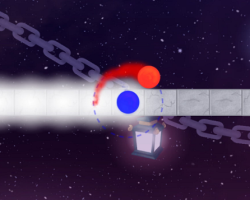
ADOFAI is a rhythm-based arcade game where the player controls two orbiting planets moving along a predefined path. The gameplay is built around precise timing, requiring the player to press a single button in sync with the music. Each successful input advances the planets along the track, while mistakes result in immediate failure. The game emphasizes consistency and rhythm recognition rather than complex controls.
Core Mechanics And Timing Precision
The central mechanic in A Dance Of Fire And Ice involves pressing a key at the exact moment one orbiting planet reaches the next tile. This action switches the orbit and continues progression along the path. Timing must match the rhythm of the soundtrack, as incorrect inputs disrupt the movement and end the attempt. The system is strict and requires players to rely on audio cues more than visual indicators.
Level Structure And Rhythm Patterns
The game is divided into multiple worlds, each introducing new rhythm patterns and structural variations. Levels are designed using geometric paths that represent musical timing. Different angles and shapes correspond to changes in rhythm, requiring players to adjust their input speed and pattern recognition. As the game progresses, complexity increases through faster sequences and less predictable structures.
- One-button input system based on rhythm timing
- Two orbiting planets moving along a path
- Levels structured around musical patterns
- Increasing difficulty with complex timing sequences
- Immediate restart after failure for repeated attempts
Learning Curve And Player Adaptation
Progress in A Dance Of Fire And Ice depends on developing a strong sense of rhythm and consistency. Early levels introduce basic timing concepts, while later stages require precise execution and pattern recognition. Players often repeat levels multiple times to improve accuracy and adapt to new patterns. The design encourages gradual improvement through practice.
The game also supports user-created levels, allowing players to experience additional challenges beyond the main content. This extends the gameplay and introduces new rhythm variations. Players can experiment with different tracks and difficulty levels based on their skill.
A Dance Of Fire And Ice maintains engagement through its minimal control scheme and demanding timing requirements. The consistent mechanic is applied across increasingly complex levels, requiring adaptation and focus. Each session reflects the player’s ability to interpret rhythm and maintain precision, making progression dependent on timing accuracy and repeated practice.
Advertisement




























































Comments