


























Advertisement
Beware the Shadowcatcher
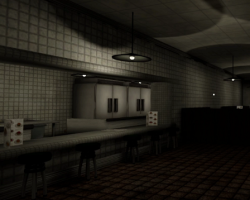
Beware The Shadowcatcher is a first-person horror game that combines task management with stealth-based survival mechanics. The game places players inside a diner environment where routine activities are disrupted by a supernatural threat. Instead of focusing on combat, the gameplay revolves around completing operational duties while responding to unpredictable dangers. The structure is built around short cycles of preparation, movement, and reaction. Player decisions and performance influence how each session unfolds.
Setting And Gameplay Framework
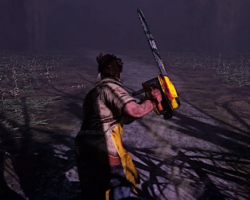
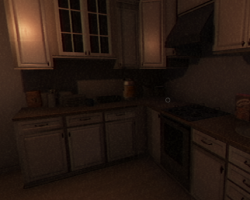
The game takes place in a functioning diner where players assume responsibility for service-related tasks. Orders must be processed, meals prepared, and deliveries completed within a limited timeframe. The environment operates as both a workspace and a survival space. Normal activities are continuously interrupted by the appearance of the Shadowcatcher, an entity that introduces stealth elements into the gameplay loop.
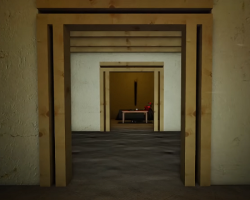
Movement through the diner is a critical mechanic. Players navigate between stations, interact with objects, and monitor surroundings for potential threats. Visibility and positioning affect survival outcomes. The setting encourages situational awareness rather than aggressive engagement.
Core Gameplay Systems
Beware The Shadowcatcher integrates several mechanics that shape player interaction:
- Order fulfillment and meal preparation
- Character switching mechanics
- Environmental navigation
- Stealth and concealment actions
- Threat detection and avoidance
These systems operate simultaneously, creating layered decision-making scenarios.
Task efficiency directly affects progression. Errors or delays may increase exposure to danger. Successful execution supports stability within the gameplay cycle.
Character Roles And Interaction
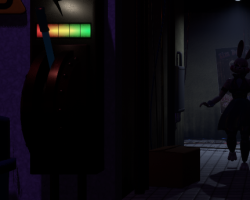
Players alternate between characters who perform distinct operational roles. Each character is associated with specific tasks, influencing how players approach movement and time management. Switching between characters introduces strategic planning, as players must determine optimal timing for completing duties while minimizing risk.
Interaction mechanics are intentionally structured around simple controls. Object usage, station management, and movement decisions form the primary actions. The game emphasizes coordination between tasks rather than mechanical complexity.
Advertisement

























































Comments