


























Advertisement
BloodBox
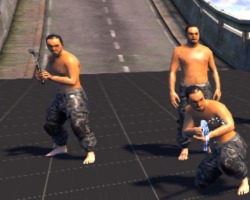
Bloodbox is a sandbox action game that combines shooting mechanics, physics-based interaction, and creative map building within a single system. The player is placed in an open environment where they can spawn objects, control characters, and engage in combat scenarios without strict objectives. The game focuses on experimentation, allowing players to create situations and observe how the system reacts.
Sandbox Structure And Core Concept
The main structure of Bloodbox is based on player-driven activity rather than predefined missions. Players can freely move through environments, spawn items, and interact with various elements. The game blends aspects of sandbox simulators and shooters, giving users control over both creation and destruction. This structure allows different playstyles, from building controlled scenarios to engaging in direct combat.
Combat And Interaction Systems
Combat plays a central role, with access to a wide range of weapons including firearms, explosives, and tools. Players can engage with enemies such as NPCs or hostile characters, using different strategies depending on the situation. Physics-based reactions influence how objects and characters behave, creating varied outcomes during each encounter. Vehicles can also be used, expanding movement and combat options.
Core gameplay elements include:
- Sandbox environment with free interaction
- Wide selection of weapons and explosives
- Physics-based character and object behavior
- Ability to control vehicles and movement systems
- Creation of custom scenarios and maps
Map Creation And Customization
One of the defining features of Bloodbox is its map-building system. Players can design their own environments by placing structures, objects, and interactive elements. These maps can be used for combat scenarios or experimental setups. The ability to save and revisit created maps supports long-term engagement and repeated experimentation.
Progression And Player Freedom
Bloodbox does not rely on linear progression. Instead, players define their own goals through interaction with the environment. Some may focus on combat efficiency, while others explore creative building or physics experiments. The absence of strict rules allows continuous variation in gameplay, where each session can differ depending on player decisions.
Bloodbox provides a system-driven experience centered on creativity and interaction. It combines elements of action and simulation, allowing players to alternate between building, testing, and combat within a flexible environment where outcomes depend on how the available tools are used.
Advertisement


























































Comments