

























Advertisement
Captured 3
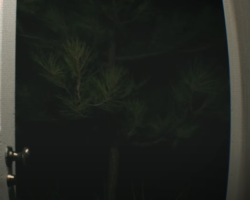
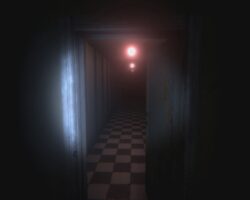
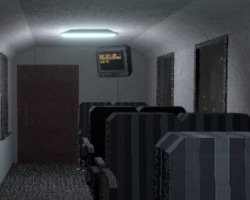
Captured 3 continues the anomaly-based horror concept built around observation and repetition. The player is placed inside a looping environment that resembles a domestic hallway where each cycle introduces subtle or obvious changes. The core objective remains tied to identifying irregularities and interacting with them correctly in order to progress. This structure creates a system where attention to detail directly affects survival and advancement. The design relies on memory and pattern recognition rather than combat as the primary interaction loop.
Core Gameplay Loop
The gameplay is centered on scanning the environment and capturing anomalies using a camera system. Each loop requires the player to detect differences in objects, lighting, or room structure, and then classify them correctly. Missing or misidentifying anomalies resets progress, which forces consistency in observation. The game introduces multiple anomaly categories such as object changes, lighting issues, and structural distortions. Progression is tied to reaching a fixed number of correctly identified anomalies within a loop.
Environment And Atmosphere
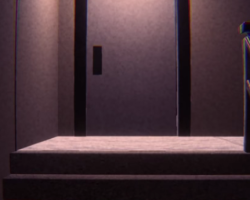
Captured 3 maintains a confined setting with procedural variation. The hallway layout changes over time, creating unpredictability while preserving a familiar base structure. The visual direction follows a late 1990s analog aesthetic with minimal interface elements and reliance on environmental cues. Darkness, limited light sources, and looping geometry reinforce disorientation. The environment functions as both a navigation space and a gameplay mechanic, where visual clarity is intentionally restricted.
The pacing is controlled through repetition and gradual escalation. Early loops focus on simpler anomalies, while later sequences introduce more complex or less noticeable variations. This scaling approach ensures that difficulty increases without changing the core mechanics. The player is required to adapt observation habits rather than learn new control systems.
Threats And Survival Mechanics
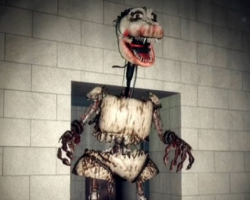
In addition to environmental anomalies, the game includes hostile entities that react to player behavior. These threats introduce time pressure and force movement decisions within the loop. Remaining in one area for too long may increase the risk of encounters, which encourages continuous scanning and repositioning. Tools such as a flashlight and doors provide limited defensive options rather than direct confrontation mechanics.
- Multiple anomaly categories to identify
- Camera-based interaction system
- Procedurally changing hallway structure
- Limited survival tools instead of weapons
- Entity behavior tied to player actions
Captured 3 focuses on a narrow set of mechanics and expands them through variation and pressure. The design avoids complex systems and instead emphasizes consistency, recognition, and controlled tension across repeated gameplay loops.
Advertisement
















































Comments