


























Advertisement
Chilla’s Art 2
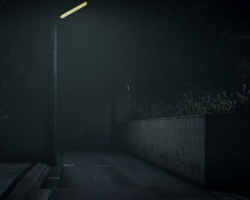
Chilla’s Art 2 can refer to the second wave of psychological horror games released by the independent studio Chilla’s Art. The studio, created by two Japanese developers, produces short narrative horror experiences focused on ordinary situations that slowly become unsettling. Many of these games place the player in everyday roles such as a worker, traveler, or resident living in a quiet neighborhood. The gameplay typically combines exploration, environmental storytelling, and subtle horror elements. The studio’s projects often rely on small locations, limited characters, and realistic daily routines to create tension rather than relying on constant action.
Everyday Settings
Games associated with Chilla’s Art 2 frequently take place in familiar locations such as apartments, convenience stores, workplaces, or transportation systems. The player usually controls a character performing normal tasks during the night or late evening. These environments initially appear safe and ordinary, which helps establish a routine before unusual events begin to appear. Over time, the player notices small changes in objects, sounds, or characters. This gradual shift from normal situations to unsettling moments is a common structure used across the studio’s horror titles.
Core Gameplay Elements
The games developed in this style share several mechanics that shape how the player interacts with the environment and progresses through the story.
- Exploring indoor locations such as buildings or streets
- Completing routine tasks related to the character’s job or daily life
- Observing small environmental changes that signal danger
- Reading notes or messages that reveal story details
- Reaching different endings depending on player decisions
These systems emphasize observation and narrative discovery.
Psychological Horror Approach
Chilla’s Art 2 titles often focus on psychological tension rather than direct confrontation with enemies. Instead of large battles or complex combat systems, the player experiences fear through atmosphere and subtle storytelling. Quiet environments, limited lighting, and ordinary activities help build a sense of realism. When unusual events occur, they stand out strongly against the normal setting. This approach allows the games to create suspense through pacing and environmental details.
Advertisement




























































Comments