

























Advertisement
Clangen
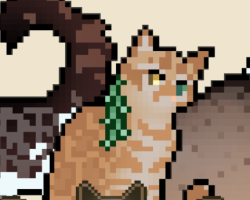
Clangen is a simulation game focused on managing the long-term development of a fictional clan of cats. Instead of controlling a single protagonist, the player oversees an entire group, guiding its survival across seasons and generations. Each cat exists as an individual with personal traits, relationships, and life events that influence the broader structure of the clan. The game emphasizes observation and decision-making over direct control, allowing complex situations to emerge naturally from simple rules.
Clan Management And Structure
At the core of Clangen is the responsibility of maintaining clan stability. The player assigns roles, monitors resources, and responds to events that affect the group as a whole. Time progresses in cycles, during which cats age, form relationships, and encounter challenges. The player’s role is strategic rather than tactical, shaping conditions that influence outcomes instead of directing moment-to-moment actions. Poor decisions or neglect can lead to long-term consequences that are not immediately visible.
Individual Cats And Emergent Stories
Each cat in the clan is generated with unique attributes that determine behavior and interaction. Personalities affect how cats respond to events, form bonds, or enter conflicts. Over time, these interactions create layered social dynamics that feel distinct in every playthrough. Core systems influencing individual development include:
- personality traits that affect reactions and behavior
- relationship values between clan members
- role assignments such as hunters or healers
- age-based life stages and experience growth
- injuries, illness, and recovery over time
These systems operate simultaneously, allowing stories to emerge without scripted direction.
Events, Seasons, And Progression
Progression in Clangen is measured through seasons and generations rather than levels or scores. Each cycle introduces events tied to environment, health, or social dynamics. Some events require player input, while others unfold automatically based on the clan’s current state. This structure reinforces long-term planning, as short-term decisions can affect survival many cycles later. There is no final objective, only continued adaptation.
Interface And Information Design
The game relies heavily on text-based information to communicate changes and outcomes. Logs, menus, and summaries provide detailed insight into clan status, relationships, and recent events. Visual elements are minimal, prioritizing clarity of data over animation. This design supports reflective play, encouraging players to review past decisions and understand patterns over time.
Advertisement





















































Comments