


























Advertisement
Click To Continue
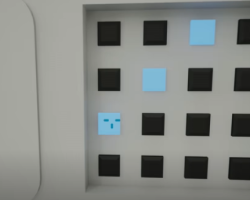
Click To Continue is an interactive game designed around minimal input and gradual system exposure. The player is placed in a closed environment with a single available action and no stated objective. There is no tutorial, narrative explanation, or visible progression path. The experience begins with repetition, and meaning is formed only through continued interaction and observation of changes within the environment.
Entry Point and Lack of Guidance
At the start of Click To Continue, the player is given almost no context. The space is visually simple, and interaction options are deliberately restricted. This absence of direction establishes a clear expectation: progress is not explained but discovered. Early interaction produces limited feedback, requiring the player to notice minor changes rather than wait for explicit confirmation. This phase trains attention and reinforces the idea that persistence is required before understanding emerges.
Revealed Systems and Structural Growth
As interaction continues, the environment begins to change in controlled stages. New elements appear gradually, adding structure without altering the original input method. These additions transform the experience from a single action into a network of connected systems. In the central part of the game, the player repeatedly manages a group of evolving interactions that define the core loop:
- Continuing input to advance internal counters
- Observing newly unlocked panels for state changes
- Interacting with basic logic-based elements
- Adjusting parameters that influence progression speed
- Activating automated processes that reduce manual input
These elements do not replace earlier mechanics but expand upon them, creating a layered structure built on the same foundation.
Change in Pacing and Responsibility
Click To Continue alters pacing through accumulation rather than escalation. Early gameplay is slow and repetitive, while later stages require monitoring multiple systems at once. The player’s role shifts from direct interaction to supervision, as automation takes over part of the process. Progress depends on understanding relationships between systems rather than increasing interaction speed or precision.
The game avoids standard progression indicators such as levels, scores, or achievements. Advancement is communicated through environmental complexity and the availability of new systems. Nothing is reset or discarded as the game progresses. Instead, each unlocked element remains active, reinforcing a sense of continuity and accumulation rather than segmented advancement.
Advertisement























































Comments