























Advertisement
Diner Dash
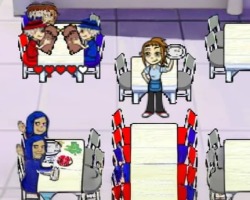
Diner Dash is a time-management game focused on running a restaurant during busy service hours. The player takes control of a server responsible for seating guests, taking orders, delivering food, and handling payments. Each level represents a work shift where efficiency determines success. Progress depends on completing objectives within a limited time while keeping customers satisfied enough to prevent them from leaving.
Restaurant Flow And Level Structure
Each level in Diner Dash is structured around a single restaurant layout with a defined number of tables and service stations. Customers arrive continuously and must be seated in the correct order to manage waiting times. Once seated, they place orders that must be delivered from the kitchen to the correct table. After finishing their meals, customers need to be checked out so tables can be reused. Levels end when shift goals are met, such as earning a target amount of money or serving a set number of guests.
Controls And Task Management
Gameplay relies on simple point-and-click or tap-based controls. Players select actions by interacting with customers, tables, and kitchen areas. Since only one action can be performed at a time, planning task order is essential. Serving food quickly improves customer patience, while delays reduce satisfaction. The challenge increases as more customers appear simultaneously, forcing players to prioritize tasks without stopping the flow of service.
Core Gameplay Elements
Diner Dash is built around several repeating gameplay components:
- Customer seating and order handling
- Time-based patience indicators
- Food delivery from kitchen stations
- Payment collection and table clearing
- Level objectives tied to performance
These elements remain consistent throughout the game. Because mechanics do not change significantly, difficulty increases through faster pacing and more complex layouts rather than new rules. Improvement comes from learning how to sequence actions efficiently.
Strategy And Customer Handling
Strategic decisions play a major role in Diner Dash. Seating customers with similar orders together can reduce movement time. Clearing tables quickly helps keep space available during peak moments. Letting customers wait too long reduces tips and may result in lost income. Players must constantly balance speed and accuracy, as serving the wrong order wastes valuable time. Understanding customer behavior helps maintain a steady workflow.
Advertisement













































Comments