


























Advertisement
Fever Meme
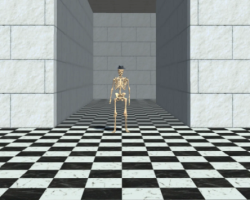
Fever Meme is a game that operates through continuous alteration of its own rules, placing the player inside a system that never settles into a fixed form. From the opening moments, the game avoids defining clear objectives or mechanics. Instead, it presents a sequence of interactions that change without warning, forcing the player to rely on observation rather than habit. Progress is achieved by remaining engaged with these shifts rather than by completing traditional goals.
Changing Structure And Flow
The structure of Fever Meme is based on a chain of short segments that replace one another without formal transitions. There are no menus separating stages and no labels explaining what type of gameplay is currently active. Each segment establishes a temporary logic that may only apply for a brief period. The player advances simply by continuing to interact, even when it is unclear what action is correct. This structure encourages focus on the present moment rather than anticipation of future challenges.
Interaction And Temporary Rules
Interaction in Fever Meme is defined by instability. Controls may remain visually consistent, but their effects can change depending on context. The game often removes familiar responses and replaces them with new outcomes, making prior experience unreliable. Trial and error becomes the primary method of learning, as the game rarely confirms success explicitly.
Common interaction scenarios include:
- Platform segments with altered response to input
- Interface elements that function as obstacles or tools
- Sequences where repeated actions change results
- Moments where hesitation triggers progression
- Situations that react to earlier player behavior
These scenarios appear throughout the game in varying forms.
Feedback Without Instruction
Fever Meme does not use tutorials or direct guidance. Instead, it communicates through response. The game reacts to what the player does, sometimes adjusting pacing or structure based on repeated failure or experimentation. This creates a feedback loop where learning comes from noticing patterns in reaction rather than following instructions. The absence of explicit explanation makes attention a core requirement for progress.
Narrative Through Structure
There is no conventional narrative delivered through dialogue or cutscenes. Meaning emerges from how segments relate to one another over time. Visual elements, interaction styles, and recurring ideas appear again in altered contexts, allowing the player to form connections. The game’s structure itself acts as a narrative device, with progression suggesting themes through repetition and contrast rather than exposition.
Advertisement



























































Comments