


























Advertisement
FPS Browser
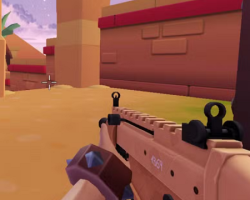
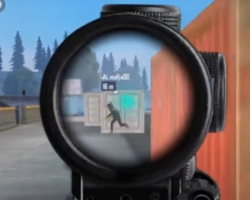
FPS Browser describes a format of first-person shooter games that operate directly through a web interface. These games are built to load quickly and allow immediate participation in multiplayer matches. The player experiences the environment through a first-person view and interacts using standard controls such as keyboard movement and mouse aiming. The main objective varies by mode but usually involves defeating opponents or completing team-based tasks within a match.
Session Structure And Access
FPS Browser games are designed for quick session entry. Players typically choose a server or mode and are placed into an active match without long setup steps. Matches may run continuously, with players joining or leaving at any time. This structure removes the need for fixed rounds in some cases and supports ongoing gameplay.
The system prioritizes accessibility. Since everything runs in a browser, players can start a session from different devices without installation. This allows flexible play patterns and supports short or extended sessions depending on preference.
Combat Flow And Mechanics
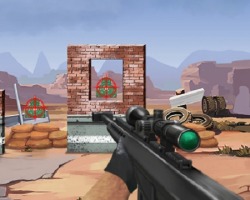
The gameplay is based on real-time combat where players aim, shoot, and move across maps. Each action depends on coordination between movement and targeting. Weapons differ in behavior, requiring adjustments in accuracy, distance, and timing.
Key gameplay elements include:
- controlling movement and camera in first-person view
- engaging opponents with different weapon types
- reacting quickly to incoming threats
- navigating maps with varied layouts
- maintaining accuracy under pressure
These mechanics define how players interact during matches.
Map Design And Strategy
Maps in FPS Browser games are structured to support fast engagement. They often include multiple pathways, cover points, and open areas. Players must learn these layouts to improve positioning and avoid predictable movement.
Strategy develops through repeated play. Understanding spawn locations, common routes, and high-traffic areas helps improve performance. Players who adapt to map design can control engagements more effectively.
Replayability And Skill Development
Replayability is based on the variability of multiplayer matches. Each session differs depending on the players involved and the chosen map or mode. This creates changing conditions that require continuous adaptation.
Skill development is gradual and tied to practice. Players improve aim, movement efficiency, and decision-making over time. The absence of complex progression systems keeps the focus on performance rather than unlocking content.
Advertisement























































Comments