


























Advertisement
Gore In Crayon
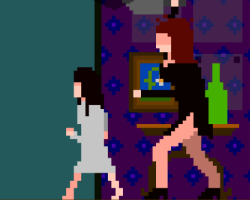
Gore In Crayon is a short horror game built around survival, exploration, and visual storytelling. The player controls a child character inside a confined indoor space where danger is constant and movement must be planned carefully. The game does not rely on dialogue or written explanations, instead presenting its narrative through environment details and player actions. Each session focuses on escaping threat while understanding the situation through observation rather than direct instruction.
Environment Design And Atmosphere
The playable area in Gore In Crayon consists of connected rooms that form a single enclosed location. Movement between spaces is restricted by locked doors, narrow passages, and patrol routes of hostile characters. Lighting and object placement guide the player without using markers or maps. The environment itself acts as a storytelling tool, with visual elements suggesting past events and emotional context. Exploration is encouraged, but every step carries risk due to unpredictable danger within the space.
Stealth And Survival Mechanics
Survival in Gore In Crayon depends on avoiding detection rather than confrontation. The player cannot fight enemies and must rely on hiding, timing, and route planning. Sound and visibility play an important role, as certain actions can draw attention. Enemies move through the environment following patterns that can be learned over time. Failure often results in restarting sections, which reinforces learning through repetition rather than punishment.
Core Gameplay Systems
The gameplay structure of Gore In Crayon is based on several recurring systems:
- Free movement within a limited interior space
- Stealth-based avoidance of hostile characters
- Item interaction to unlock progression
- Visual cues that replace dialogue or text
- Multiple outcomes based on player actions
These systems remain consistent throughout the game. There are no upgrades or skill trees, so progress depends entirely on awareness and decision-making. Each playthrough becomes an exercise in learning how the environment and threats interact.
Player Choice And Progression
Player decisions in Gore In Crayon affect how the game unfolds. Choosing which areas to explore first can change available options later. Some actions may open paths while closing others, even if the consequences are not immediately clear. Because the game does not explain outcomes directly, players must interpret cause and effect through experience. This design encourages careful observation and experimentation rather than rushing forward.
Advertisement



























































Comments