


























Advertisement
Granny Legacy
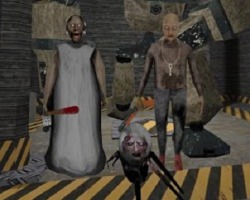
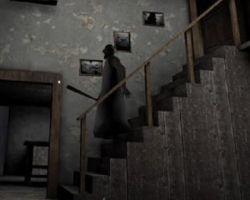
Granny Legacy is a first-person horror game focused on escape-based gameplay within a confined environment. The player is trapped inside a house and must find a way out while avoiding a hostile character known as Granny. There is no combat system, and the player cannot confront threats directly. Progress depends on stealth, observation, and careful interaction with the environment. The game emphasizes repetition, where each attempt increases the player’s understanding of the house layout and danger patterns.
Environment and Exploration Mechanics
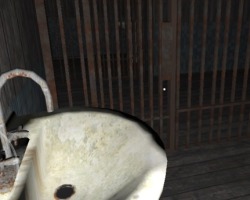
The main setting of Granny Legacy is a multi-room house with locked doors, hidden passages, and interactive objects. Exploration is non-linear, allowing players to move freely as long as they remain undetected. Many areas are inaccessible at first and require specific items or actions to unlock. Movement speed, crouching, and hiding are essential tools for survival. Sounds produced by movement or dropped objects can alert Granny, making environmental awareness a constant requirement throughout gameplay.
Item Usage and Progression Systems
Progression in Granny Legacy is tied to collecting and using items rather than gaining abilities or upgrades. Items are scattered across the house and may appear in different locations on each attempt. Players must decide which areas to search and which risks to take, as exploration increases the chance of detection.
Key gameplay systems include:
- Item-based puzzles tied to doors and mechanisms
- Randomized item placement between sessions
- Sound-based detection that triggers enemy response
- Limited hiding options such as beds or closets
- Time pressure created by repeated encounters
These systems encourage strategic planning rather than fast reactions.
Enemy Behavior and Player Strategy
Granny’s behavior is driven by player actions. Loud movements, opening certain doors, or triggering traps can cause her to approach the player’s location. She follows predictable but punishing patterns, forcing the player to learn when to move and when to wait. Direct encounters usually result in failure, resetting progress while retaining player knowledge. Strategy involves memorizing safe paths, managing noise, and planning escape attempts over multiple runs.
Replay Structure and Difficulty Design
Granny Legacy is designed to be replayed multiple times. Each session builds on previous experience rather than permanent upgrades. Difficulty settings adjust enemy speed, environmental complexity, and item availability, allowing players to tailor challenge levels. The game does not rely on narrative progression; instead, success is defined by mastering the environment and executing a complete escape. This structure supports gradual improvement through observation and repeated attempts rather than mechanical skill development.
Advertisement
























































Comments