


























Advertisement
HABROMANIA
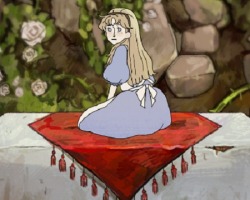
HABROMANIA is a narrative adventure game that places the player in control of a young Alice who wakes up inside a distorted version of Wonderland. The game does not provide immediate explanations or clear objectives, instead presenting a world that must be understood through interaction and observation. The central goal is not defined as victory or escape alone, but as comprehension of the environment and Alice’s role within it. Progress emerges through choices, dialogue, and puzzle solving rather than through action-based mechanics.
World Layout and Player Exploration
The structure of HABROMANIA is built around a set of connected locations that the player explores using a point-and-click interface. Each area contains characters, objects, and visual cues that contribute to the overall understanding of the world. Exploration is intentionally paced, allowing players to revisit locations and reassess information as new context becomes available. The game avoids linear navigation, encouraging players to form their own path based on curiosity and interpretation rather than explicit direction.
Interactive Systems and Player Decisions
Player interaction in HABROMANIA is shaped by several systems that track behavior and influence future events. Decisions are cumulative and often produce delayed consequences rather than immediate feedback. The core systems that define gameplay include:
- Dialogue choices that alter character relationships
- Environmental puzzles requiring careful observation
- Collectible elements that reveal background information
- A behavior or morality tracker influenced by actions
- Branching narrative routes determined by past decisions
These systems are interconnected, ensuring that the player’s approach to one situation can affect outcomes in later chapters.
Characters and Story Progression
Characters encountered in HABROMANIA are not simple guides or obstacles, but active participants in the narrative. Each character presents a distinct perspective on the world and reacts differently depending on Alice’s decisions. Conversations often reveal incomplete or conflicting information, requiring the player to evaluate credibility and intent. The story advances through these interactions, with narrative elements unfolding gradually rather than being delivered through exposition.
The visual design of HABROMANIA favors stylization and symbolism over realistic detail. Environments are constructed to reflect emotional states or thematic ideas, reinforcing the narrative through visual language. Animation is limited and purposeful, supporting interaction without overwhelming the scene. The interface remains minimal, keeping focus on dialogue, puzzles, and environmental elements rather than on menus or indicators.
Advertisement


























































Comments