


























Advertisement
Hi What’s Your Emergency
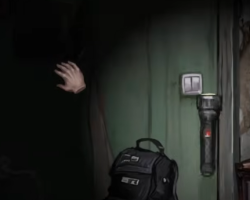
What’s Your Emergency is a narrative simulation centered on the work of an emergency dispatcher. The player remains at a desk and interacts only through calls and a dispatch interface, yet each decision shapes events beyond the screen. Callers describe urgent situations with varying clarity, and the player must interpret incomplete information to determine the correct response. The game focuses on responsibility and judgment rather than action or exploration, placing emphasis on how choices are made.
Dispatcher Duties and Communication Flow
Each shift begins with a sequence of incoming calls that represent different types of emergencies. The player’s role is to guide the conversation, gather essential details, and remain attentive to changes in tone or urgency. Callers may be confused, frightened, or inconsistent, which requires careful listening. The interface presents tools for logging information and selecting services, but it does not confirm whether a choice is correct, reinforcing the need for confidence in interpretation.
Workday Structure and Consequences
Gameplay is organized into workdays with clear performance expectations. Handling calls effectively allows the player to continue working, while repeated mistakes can lead to dismissal. Pressure builds from accountability rather than time limits, as the game tracks outcomes across shifts. Some decisions influence later calls, creating continuity and reinforcing the idea that each response contributes to a larger pattern within the city.
Core Actions During a Shift
In the middle of a typical workday, the player repeatedly performs a consistent set of actions that define the main loop:
- Answering calls as they arrive
- Listening for relevant facts and emotional cues
- Asking targeted questions to clarify details
- Assigning the correct emergency service
- Balancing priorities when multiple calls overlap
These steps require steady attention and logical reasoning, forming the foundation of the experience.
Escalation and Narrative Development
As the game progresses, situations become more complex and less predictable. Calls may involve overlapping issues or unclear responsibility, forcing the player to weigh options carefully. External groups and individuals may react to earlier decisions, adding narrative pressure without changing the core mechanics. This escalation encourages the player to consider long-term effects rather than isolated outcomes.
Advertisement




























































Comments