


























Advertisement
Home Is Where He Is

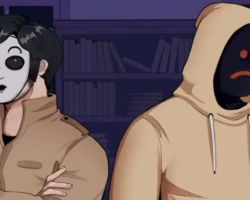
The unsettling part of Home Is Where He Is is not that Mould appears suddenly, but that he seems to have been waiting for the protagonist long before they knew he existed. After inheriting an old house from a deceased grandfather, the protagonist arrives expecting to sort through belongings and deal with the property. Instead, the visit becomes centered on Mould, a man who knows private details and reacts strongly to rejection. The game is a psychological horror visual novel, with the current story covering Day 1 and Day 2.
Shape the Relationship Through Choices
The player advances mainly through dialogue and story decisions. The protagonist’s name and pronouns can be customized, and many responses affect hidden Affinity and Fear values. Friendly or accepting choices can increase Affinity, while suspicious or frightened reactions raise Fear. These values influence Mould’s behavior and determine which ending becomes available.
Move Through Daily Events
There are no traditional action levels, combat encounters, or equipment systems. Progress is organized through scenes during each day, including conversations inside the house, moments outside, phone interactions, and decisions about whether to stay or leave.
Players can:
- respond warmly or defensively to Mould;
- investigate details that do not make sense;
- decide whether to trust his explanations;
- react to how much he knows about the protagonist;
- call for help;
- attempt to create distance or accept his presence.
Day 2 adds more interactions and develops the situation further, while also including a gallery for unlocked CG scenes.
Influence the Ending
Home Is Where He Is currently has four main endings: two good endings, one neutral ending, and one bad ending. The outcome depends mostly on the balance between Affinity and Fear, though the two positive routes also differ according to how close the protagonist allows Mould to become.
The game is designed to be replayed with different attitudes. A player who accepts Mould early may see a very different version of later conversations than someone who spends most of the story resisting him. Small decisions can accumulate into major route changes, so testing opposite responses is part of discovering the full set of outcomes.
The current build does not finish the entire planned story, since later days are still intended to expand the narrative. Even so, the existing content already establishes the core structure: return to the house, learn more about Mould, decide how much of his behavior to tolerate, and see whether the relationship ends in trust, distance, fear, or something worse.
Advertisement




























































Comments