























Advertisement
Human Body Simulator
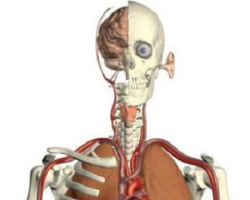
Human Body Simulator is an educational simulation game where the player explores the human body and learns how its main parts work. The game does not usually have a traditional story with characters, enemies, or a campaign. Instead, it is structured around anatomy topics and interactive learning tasks. The player can study organs, bones, muscles, and body systems, then complete simple activities to check understanding.
Inside the Body Model
The gameplay is based on interaction with a body diagram or body model. The player may click on organs, select bones, move labels, or explore systems such as the skeleton, digestion, breathing, circulation, and muscles. The game is not focused on speed, combat, or competition. Its main goal is to show where body parts are located and explain their basic functions in a visual way.
Learning Sections and Tasks
Human Body Simulator does not usually use regular action levels. Progress is more often divided into lessons, body systems, diagrams, or quiz sections. One activity may ask the player to identify bones, while another may focus on organs or body functions. Some versions include drag-and-drop labels, short facts, system diagrams, and interactive simulations that show how the body processes air, food, or blood.
The main activities in the game can include:
- exploring body systems through diagrams;
- identifying organs, bones, and muscles;
- matching body parts with their functions;
- dragging labels to the correct places;
- answering short quiz questions;
- reading facts after completing tasks;
- repeating sections to remember anatomy terms.
Controls and Interaction
To play, the player usually uses a mouse, touchscreen, or simple selection controls. If the task is about labeling, the player drags each word to the correct body part. If the game uses a quiz format, the player chooses the correct answer from several options. If there is an interactive body model, the player can tap a system or organ to open more information about it. The controls are simple because the game is designed for learning.
Human Body Simulator is not a racing game, shooter, or open-world adventure. It works more like a visual learning tool with game elements. There may be no final ending, because the main progress comes from completing educational sections and understanding more about the body. The game is suitable for players who want to learn basic anatomy, body vocabulary, and the functions of major systems in an interactive format.
Advertisement






















































Comments