


























Advertisement
Hurricane Outbreak
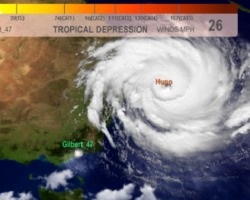
Initial risk assessment and environmental monitoring define the progression framework of Hurricane Outbreak. In this game, players are placed in weather-affected zones where ongoing meteorological changes influence movement, objective availability, and hazard response. Instead of static maps or fixed objectives, the system integrates dynamic weather conditions that change as time passes. Players must observe environmental feedback and adjust their actions accordingly to maintain operational stability and complete tasks.
Dynamic Weather Systems And Environmental Impact
The environment continuously updates based on simulated storm progression, including shifts in wind direction, rainfall intensity, and debris displacement. These changes affect traversal conditions, visibility, and available routes. Instead of moving through a series of discrete levels, players navigate a single evolving environment where hazards emerge organically. Weather events such as heavy wind gusts or flooding can block paths, alter terrain, and require strategic rerouting. Environmental awareness therefore becomes integral to planning and execution.
Core Interaction Mechanics And Objectives
Interaction systems in Hurricane Outbreak revolve around movement, task completion, and hazard avoidance. Players must respond to changing conditions while advancing through assigned objectives. Common gameplay activities include:
- Traversing affected terrain
- Monitoring weather updates and indicators
- Completing situational tasks
- Avoiding or mitigating environmental threats
- Coordinating movement with evolving conditions
These mechanics create a structure where adaptation to the current state of the environment determines success. Tasks must be balanced with hazard exposure, requiring players to evaluate trade-offs between speed and caution.
Hazard Systems And Tactical Adjustments
Hazard elements such as falling debris, unstable surfaces, and obstructed routes introduce continuous pressure on decision-making. Rather than scripted enemy encounters, threats arise from the environment itself. Players must identify safe paths, anticipate hazard patterns, and respond to emergent challenges. Tactical adjustments often involve re-evaluating routes on the fly and using environmental cues to predict future conditions. Since hazards can compound over time, early decisions influence longer-term progress.
Progression And Replay Dynamics
Progress in Hurricane Outbreak is shaped by how effectively players manage environmental variables and complete tasks under changing weather conditions. Because each session presents variations in storm behavior and hazard distribution, repeated playthroughs can unfold differently. There are no linear progression bars or unlock trees; advancement depends on adaptive strategy and interpretation of dynamic systems. By structuring gameplay around evolving weather, hazard management, and task coordination, Hurricane Outbreak sustains engagement through systemic variation and decision-driven outcomes rather than fixed mission sequences.
Advertisement



























































Comments