


























Advertisement
I’m Not a Robot!
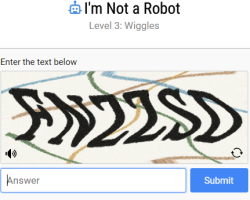
I’m Not a Robot is a first-person horror adventure set during the summer of 2009. The protagonist has financial problems and accepts a temporary job after a short telephone conversation. The employer promises $300 for completing a test that should take no longer than half an hour. When the character arrives at the specified alley, the assignment begins to reveal connections with a cult operating in the town.
The Test Behind the Payment
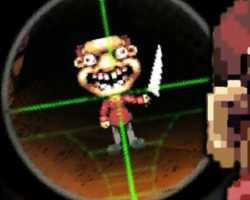
The story develops as the player follows the employer’s instructions and explores the surrounding locations. What begins as a paid test gradually turns into an investigation involving unexplained events, hidden passages, and unusual characters. Conversations and environmental details provide information about the cult and its activities. The game combines horror scenes with dark humor, while its low-poly graphics, interface, objects, and visual presentation reproduce elements associated with the 2000s.
Exploring Beyond the Main Route
There are no numbered levels or separate chapters in I’m Not a Robot. The game uses a connected sequence of locations and events, with progress determined by exploration, completed puzzles, and player decisions. Most puzzles are short and rely on observation or interaction with nearby objects. The main route is relatively direct, but optional areas can lead to secrets, achievements, and alternative outcomes. Some endings require the player to ignore the obvious objective and search for another exit.
The main gameplay activities include:
- exploring the alley, rooms, tunnels, and other accessible areas;
- speaking with characters and following their instructions;
- examining objects for clues or interactive functions;
- solving short tests and environmental puzzles;
- choosing routes that lead to different conclusions.
Decisions That Change the Ending
The protagonist is controlled from a first-person perspective. Players move through each area, look around, and interact with characters, doors, switches, and other objects. There is no combat, inventory management, or character upgrade system. To advance, the player must understand the current task and locate the required interaction point. Careful exploration is useful because some passages and events can be missed when following only the most visible path.
Advertisement





















































Comments