


























Advertisement
Kingdom Of Marionettes

Kingdom Of Marionettes is a horror visual novel where the player is assigned to work night shifts in a puppet theater. The gameplay is centered on routine actions such as checking locations and interacting with characters. Over time, these routines begin to change, introducing new events and behaviors. The experience is built around narrative progression, where player decisions determine how the story unfolds rather than any form of mechanical challenge.
Interaction And Decision System
The main form of interaction is dialogue selection. Players are presented with choices that influence character reactions and future events. Some options lead to immediate changes, while others affect later parts of the story.
The system does not rely on complex controls. Instead, it emphasizes reading context and choosing responses carefully. This creates a structure where progression depends on understanding the situation rather than reacting quickly.
Environment And Game Flow
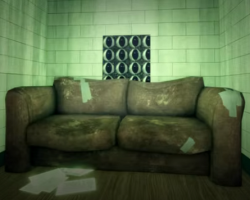
The theater serves as a fixed environment with several accessible areas. While the layout remains consistent, the content inside each room evolves across shifts. Changes in lighting, available actions, and character presence signal progression.
- Repeated structure with gradual variation
- Shift-based progression across sessions
- Event triggers connected to player input
- Limited exploration with focused interaction
- Consistent environment to reinforce patterns
Characters And Narrative Direction
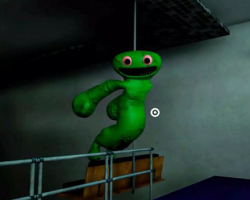
The game’s narrative is driven by puppet characters that interact with the player. Their behavior changes depending on previous choices, which affects both dialogue and outcomes. Each interaction contributes to the overall direction of the story.
The narrative is partially branching. While major events follow a similar sequence, the context and consequences differ based on accumulated decisions. This allows different interpretations of the same storyline.
Tone And Content
The game creates tension through uncertainty and controlled pacing. Instead of constant threats, it uses dialogue and environmental changes to build unease. Some moments interrupt established patterns, creating contrast between routine and unexpected events.
Mature content is included as part of the narrative and character interactions. These elements are integrated into the overall structure rather than presented separately.
Replayability
Replayability is based on multiple endings and alternative dialogue paths. Players can revisit earlier decisions to explore different outcomes and uncover additional scenes.
The structure supports repeated playthroughs by allowing variations in narrative results without changing the core gameplay. Each run provides new information depending on the choices made.
Advertisement





















































Comments