


























Advertisement
Laces Wardrobe

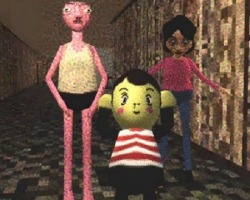
Laces Wardrobe is a narrative-driven dress-up game that uses familiar customization mechanics as a framework for story progression. At the start, the player is presented with a simple interface focused on selecting outfits for a character named Lacey. Clothing choices appear to be the primary activity, and early interactions resemble casual browser-based fashion games. Over time, however, repeated actions and subtle changes reveal that the game is structured around consequence, sequence, and interpretation rather than surface-level customization.
Core Interaction and Player Input
The main form of interaction is the selection of clothing items in response to short prompts or situations. Each choice advances the game forward and influences what appears next, even when the effect is not immediately visible. The game does not explain how choices are evaluated, requiring the player to observe patterns across multiple sessions. Input is intentionally limited, which places emphasis on order, repetition, and comparison rather than mechanical skill or speed.
Progression Through Choice and Repetition
As the game continues, the wardrobe system becomes a method for triggering narrative shifts. Certain selections alter dialogue, visuals, or available options later in the session. Progression is not tracked through levels or scores but through changes in how the game responds to familiar actions. Key systems that define progression include:
- selecting outfits based on contextual prompts
- repeating scenarios with different choice sequences
- recognizing altered visual or textual responses
- unlocking new scenes through specific combinations
- reaching different endings tied to decision patterns
These systems encourage replay, as understanding the structure requires multiple attempts rather than a single completion.
Visual Feedback and Interface Behavior
Visually, Laces Wardrobe begins with a stable and readable layout. As the player advances, small inconsistencies appear in character presentation, interface behavior, or background elements. These changes function as feedback, signaling that the underlying state of the game has shifted. Instead of alerts or tutorials, the game relies on these variations to communicate progression. Sound and timing also contribute, reinforcing moments when the game diverges from its initial presentation.
Narrative Delivery and Interpretation
The story is not delivered through explicit exposition. Instead, meaning emerges from how the game reacts to player behavior over time. Lacey’s responses and the structure of interactions suggest context without confirming it directly. The player is expected to interpret these signals and draw conclusions based on repetition and contrast. This indirect approach places responsibility on the player to construct understanding rather than receive it.
Advertisement






















































Comments