


























Advertisement
Late Pizza Delivery
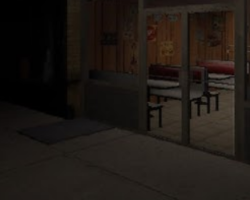
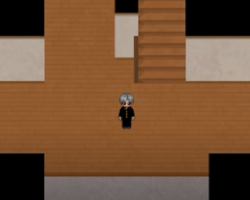
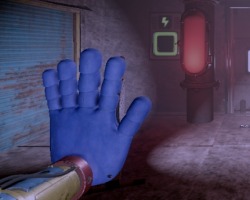
Late Pizza Delivery is a first-person horror game focused on short story-driven gameplay and night exploration. The player works as a pizza delivery driver during a late shift at a local pizzeria. What starts as a normal job quickly changes as strange events begin happening during the final deliveries of the night. The game uses a simple setup, but builds tension through dark streets, isolated houses, and unusual interactions with customers. The main goal is to complete deliveries while uncovering what is happening around the player.
Story and Atmosphere
The story follows a worker trying to finish the last orders before ending the shift. During deliveries, the player notices that something feels wrong in the town. Some locations appear abandoned, while others contain disturbing details connected to the plot. Instead of using constant action scenes, the game focuses on atmosphere and suspense. Environmental sounds, lighting, and limited visibility create pressure during exploration. The narrative develops gradually through small discoveries and encounters rather than long cutscenes.
Main Gameplay Features
- First-person horror gameplay
- Story-focused progression
- Multiple endings
- Exploration of nighttime locations
- Simple controls and interactions
- Psychological horror elements
- Short playtime designed for one session
The game does not use traditional levels with score systems or large open maps. Instead, progression happens through consecutive deliveries and scripted events connected to the storyline. Each new location introduces additional tension or information about the situation. Players must pay attention to their surroundings, as visual details and sounds often hint at upcoming events. The pacing remains steady throughout the experience, with suspense increasing during the final part of the game.
How to Play
To play Late Pizza Delivery, players mainly explore locations, deliver pizzas, and interact with the environment. Movement and observation are important because many events are triggered by entering specific areas or examining objects. The game rewards careful exploration rather than fast reactions. Since the story can end differently depending on player actions, experimenting with choices can reveal additional scenes and endings. The combination of simple gameplay mechanics and psychological horror makes the experience focused on tension and narrative rather than combat or complex systems.
Advertisement
























































Comments