


























Advertisement
Leaf it Alone
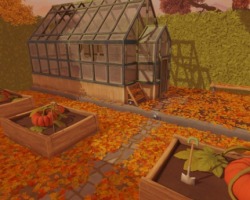
Leaf it Alone is a casual simulation game centered on restoring order to an outdoor space covered in fallen leaves. The player is given a clearly defined environment and a simple task: remove the leaves and clean the area. There are no strict deadlines, narrative events, or external threats. The experience is shaped by steady interaction and visible results, allowing the player to focus entirely on the process of cleanup.
Player Interaction and Environmental Feedback
From the start, Leaf it Alone introduces basic interaction through simple tools and direct control. The player gathers leaves from the ground and disposes of them in designated areas. Every action produces immediate visual feedback, as cleared ground becomes visible and clutter gradually disappears. This feedback loop reinforces the connection between effort and outcome, making progress easy to track without relying on meters or abstract indicators.
Repetitive Loop and Resource Use
The game is built around a consistent loop that rewards repetition. Clearing leaves generates resources that can be reinvested into better equipment. These upgrades do not alter the goal, but they change how efficiently tasks are completed. In the middle of a typical play session, the player repeatedly engages in the following activities:
- Collecting leaves using current tools
- Carrying or transporting leaves to disposal points
- Earning currency for removed debris
- Unlocking improved equipment
- Using upgrades to speed up future cleanup
This loop defines progression and encourages continued play through gradual efficiency gains.
Tool Development and Workflow Changes
As new tools become available, the workflow shifts without introducing complexity. Early tools require close-range interaction and frequent disposal, while later equipment increases capacity or coverage. These changes allow larger areas to be cleaned with fewer actions, reducing repetition while preserving the core mechanic. The player can immediately feel the impact of each upgrade through faster and smoother cleanup.
Objective System and Player Direction
Leaf it Alone includes optional objectives that provide structure without enforcing a rigid path. These objectives may involve clearing specific zones or reaching certain cleanup milestones. Progress tracking systems record completed tasks and suggest next goals, but the player remains free to ignore them and clean at their own pace. This balance allows both guided and unguided play styles to coexist.
Advertisement



























































Comments