


























Advertisement
Moth Lake

Moth Lake is a story-driven horror adventure game developed by Stefano Mazzotta, also known as Il Sui, and published by Sui Arts. The game takes place in a small town called Moth Lake, which appears quiet but hides a secret connected to past events. The story follows a group of teenagers with difficult lives as strange incidents begin to intensify before a solar eclipse. The game has a clear plot, and the player moves through scenes that reveal more about the town, the characters, and the mystery behind what has been hidden for generations.
Secrets Under a Quiet Town
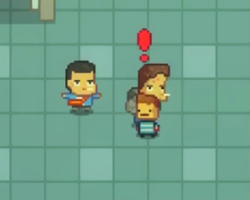
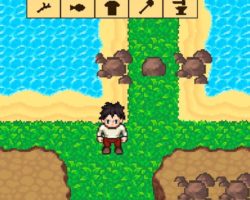
The gameplay combines exploration, dialogue, puzzles, choices, and stealth-action sections. The player moves through 2.5D pixel-art locations, interacts with objects and NPCs, reads conversations, and solves different types of puzzles. The game is not a survival horror game in the traditional sense, but it includes suspense, disturbing scenes, and moments where the player must avoid danger. Choices can affect character relationships and the tone of the experience. The official Steam description also mentions 6 different endings.
In the middle of the game, the player uses several types of interaction to continue the story. Main gameplay elements include:
- 2.5D pixel-art exploration;
- dialogue and story scenes;
- puzzles based on objects and actions;
- stealth-action moments;
- choices that affect relationships;
- NPC interaction and environmental hotspots;
- scenes involving running, crouching, crawling, pushing, climbing, and sneaking;
- multiple endings.
Scenes, Chapters, and Locations
Moth Lake does not use standard levels like an arcade game. Its structure is closer to a sequence of story scenes and locations. The official description mentions more than 20,000 words of text and more than 300 scenarios. The walkthrough page lists areas and sections such as Cameron, School, Countryside, Orphanage, Lake, Cemetery, Nightmares, Back to School, Ending, and extra scenes. This makes progress feel like moving through a story rather than clearing separate action stages.
How the Player Moves Forward
To play Moth Lake, the player explores each scene, checks interactive spots, talks to characters, collects or uses objects, and solves the current problem before moving on. Controls can support touch screen, mouse, keyboard, and controllers, depending on the platform. The player should pay attention to dialogue and environmental clues, because some puzzles depend on understanding what is happening in the scene. During stealth sections, movement and timing become more important.
Advertisement
























































Comments