


























Advertisement
My Voice Zoo
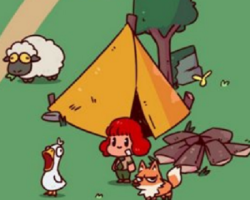
My Voice Zoo is a management game that centers its entire experience on player-recorded audio. Instead of assigning animals predefined behaviors and sounds, the game asks the player to supply their own voice input. These recordings become part of the zoo’s internal systems, influencing how animals behave and how progress is generated. As a result, the zoo develops an identity shaped directly by the player rather than by scripted content.
Voice Input And Gameplay Structure
Voice recording is not an optional feature but a required step in progression. When animals are introduced, the player records sounds that the game assigns as their vocal behavior. These sounds are replayed automatically during normal activity and are tied to in-game mechanics. The system accepts any type of recording, which removes pressure to imitate real animals and instead encourages experimentation. Sound becomes a functional resource rather than a decorative element.
Zoo Development And Space Management
Alongside the audio system, My Voice Zoo follows a structured management loop. Players expand their zoo by unlocking animals and placing them into enclosures. Each animal contributes to resource generation through its assigned sound activity. As the zoo grows, space becomes limited, requiring players to rearrange habitats and consider placement carefully. Growth is steady and relies on adjustment rather than rapid expansion.
Typical player actions during development include:
- recording new sounds for unlocked animals
- assigning audio to specific enclosures
- reorganizing zoo layouts to manage space
- unlocking additional species over time
- monitoring passive resource generation
Idle Progress And Session Design
The game includes idle mechanics that allow the zoo to function without constant input. Animals continue to trigger their assigned sounds automatically, producing resources even when the player is inactive. This design supports short sessions, where players can check progress, make a few changes, and exit without interrupting long-term development. Progression remains consistent regardless of play frequency.
Interface And Player Accessibility
The interface is designed to reduce friction between recording, placement, and expansion. Controls are simple and menus are shallow, allowing quick access to key actions. There are no penalties for replacing sounds or rearranging animals, which supports creative experimentation. The absence of complex statistics keeps focus on interaction rather than optimization.
Advertisement


























































Comments