


























Advertisement
Pizzy’s Parlor

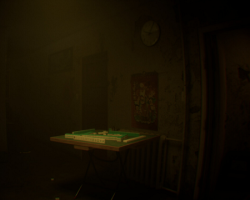
Pizzy’s Parlor is a narrative-driven horror game that places the player in the role of an ordinary worker trying to finish a simple day of routine tasks. The game begins in a small pizzeria and gradually expands into other everyday locations, where subtle changes start to disrupt normal expectations. Instead of focusing on action or survival mechanics, the experience is built around movement, observation, and the gradual realization that something is wrong. Each scene pushes the player forward through a sequence of events tied to routine activities.
Routine Tasks And Location Progression
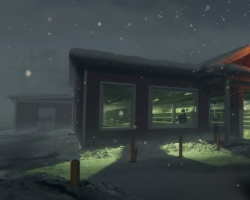
The structure of Pizzy’s Parlor follows a clear sequence of locations that mirror a typical day. After leaving the pizzeria, the player moves through shops and public spaces that should feel familiar. Each new place continues the routine, but with noticeable absences and environmental shifts. The game does not encourage free exploration; instead, it guides the player along a fixed path. This controlled progression helps maintain narrative focus and ensures that each location contributes to the overall story.
Environmental Storytelling And Interaction
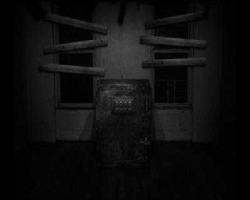
Interaction in Pizzy’s Parlor is minimal and intentional. Players mainly walk, look around, and trigger transitions by reaching specific points. There are no complex puzzles or inventory systems to manage. Storytelling happens through empty rooms, altered layouts, and repeated actions that feel slightly off. The lack of direct explanation forces players to interpret meaning through environmental clues rather than dialogue or text prompts.
Core Gameplay Elements
Pizzy’s Parlor is built around a small set of consistent gameplay elements:
- Linear movement through everyday locations
- Environmental changes that signal progression
- Limited interaction focused on navigation
- Repetition of routine actions with variation
- Narrative advancement tied to scene transitions
These elements repeat across the entire game. Since there are no upgrades or branching mechanics, progress is defined purely by moving forward and noticing changes. Attention becomes the main skill required from the player.
Player Perception And Narrative Shift
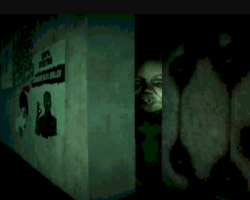
As the game continues, the contrast between routine and disruption becomes more apparent. Locations that once felt normal begin to behave unpredictably. The player is not given clear answers, and meaning is revealed gradually through repetition and escalation. This design places responsibility on the player to connect events and recognize patterns. Small details often gain significance after later scenes recontextualize earlier moments.
Advertisement




















































Comments