


























Advertisement
Play Things
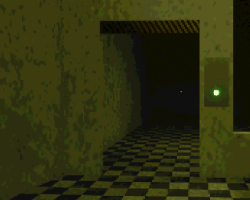
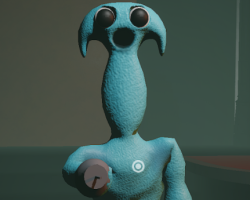
Play Things is a first-person investigation game where the player examines objects rather than explores locations. The role of the player is to evaluate dolls delivered one at a time and determine their nature based on controlled observation. There is no movement between areas, no combat, and no time pressure. The experience is structured around repetition, documentation, and decision-making, with progress defined by completed examinations rather than narrative milestones.
Game Flow and Player Role
Each session in Play Things follows a fixed routine that establishes the player’s responsibilities early on. A doll is presented, and the player is expected to initiate the examination process manually. Interaction is limited to specific tools and actions, which keeps attention focused on the object under inspection. The lack of guidance or explicit feedback requires the player to rely on personal judgment, reinforcing the investigative role rather than passive participation.
Examination System and Tools
The core gameplay revolves around a set of standardized tests that must be applied to every doll. These tests are designed to reveal inconsistencies through comparison rather than direct confirmation. In the middle of the game’s structure, the player repeatedly performs the following actions as part of the examination process:
- Calling the doll’s name and noting any response
- Recording sound to detect irregular audio behavior
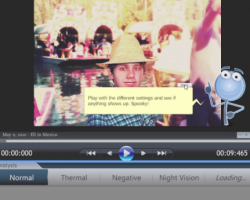
- Taking photographs to compare visual details
- Measuring temperature to identify abnormal values
- Applying physical interaction to observe reactions
The results are recorded by the player, not evaluated automatically, which places responsibility on interpretation rather than system prompts.
Interpretation and Decision Process
Play Things does not provide clear indicators of correct or incorrect actions. Instead, the player must analyze the collected information and decide how to classify each doll. Conflicting results are possible, and not all tests carry equal weight in every case. This design encourages pattern recognition across multiple examinations rather than reliance on single outcomes.
Progression Without Metrics
There are no scores, levels, or performance ratings in Play Things. Progress is measured only by the number of completed examinations and the decisions made during them. Different classifications can lead to different overall results, making repeated sessions valuable for comparison. The absence of numerical feedback keeps attention on process and consistency rather than optimization.
Presentation and Structural Intent
The visual and audio presentation of Play Things is minimal and functional. The environment remains consistent, allowing small changes to stand out more clearly. Sound cues and lighting are restrained, supporting focus rather than distraction. Overall, Play Things operates as a procedural horror experience where tension comes from uncertainty and responsibility. By centering gameplay on routine analysis and personal judgment, the game creates a controlled structure in which the player’s decisions define the outcome rather than scripted events.
Advertisement






















































Comments