


























Advertisement
Playthings
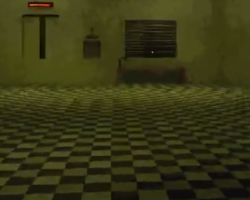
Playthings is a procedural horror game that centers on classification rather than movement or confrontation. The player is assigned to a closed facility where toys are delivered individually for inspection. Each item must be processed according to a fixed protocol before it can be approved or rejected. The game establishes its tension through responsibility and repetition, asking the player to trust a system that slowly becomes less predictable over time.
Single Location And Functional Design
The entire game takes place in a single inspection room equipped with basic testing tools and documentation materials. The player does not explore additional spaces or interact with other characters. This limitation keeps attention focused on the task itself. Every toy arrives under the same conditions, reinforcing the idea of control and order. As familiarity with the environment increases, the risk shifts from external threats to internal error caused by assumption and routine.
The workspace is designed to support precision rather than speed. Tools are always available, instructions are clear, and the process does not change. However, the game relies on the player’s ability to notice when results do not fully align with expectations. The static environment makes small deviations harder to justify and easier to dismiss, which becomes a central source of pressure.
Inspection Cycle And Player Actions
Playthings is built around a strict inspection cycle that must be completed for every object. The tests themselves are simple, but their interpretation is not. In the middle of the game, the player consistently performs the following actions:
- initiating sound-based checks and recording responses
- calling the toy by name and noting any reaction
- photographing the subject for later comparison
- measuring temperature values
- applying limited physical stress
Each step must be completed in sequence, and results are documented before a final classification is made. The repetition encourages efficiency, but efficiency can lead to oversight. The game challenges the player to treat each inspection as unique, even when the process feels automatic.
Judgement Without Immediate Feedback
Once all tests are completed, the player must decide whether the toy is safe or dangerous. The game provides little confirmation, leaving uncertainty after each decision. This lack of immediate feedback forces reliance on memory, notes, and comparison rather than instinct. Mistakes are rarely obvious at the moment they occur, increasing long-term tension rather than delivering sudden consequences.
Advertisement



























































Comments