


























Advertisement
Quarantine Zone
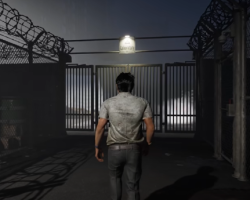
Operational control and consequence-based management define the structure of Quarantine Zone: The Last Check. The player is assigned to oversee a fortified checkpoint during a viral outbreak that has destabilized surrounding regions. Individuals arrive seeking refuge, and each must be evaluated before entering the secured compound. Decisions directly influence internal stability, population health, and the long-term survival of the settlement. Progress depends on maintaining containment while managing limited capacity and resources.
Screening Protocol And Evaluation Process
The central gameplay loop focuses on examining arrivals for infection indicators. Each individual must undergo inspection using available diagnostic tools. Visual assessment, symptom detection, and procedural verification form the basis of classification. After review, the player assigns one of several outcomes, which may include clearance, quarantine placement, or removal. Incorrect evaluations increase the risk of internal outbreaks or reduce available workforce capacity. The system requires consistent attention to detail and procedural discipline.
Core Gameplay Responsibilities
Quarantine Zone: The Last Check integrates inspection tasks with broader camp oversight. The player’s routine typically involves:
- Assessing incoming individuals for infection signs
- Operating diagnostic instruments
- Allocating housing or quarantine space
- Monitoring resource consumption
- Strengthening defensive readiness
These responsibilities are interconnected. Population growth increases resource demand, while strict screening may limit workforce potential. Balancing safety with operational efficiency becomes essential.
Infrastructure And External Threat Management
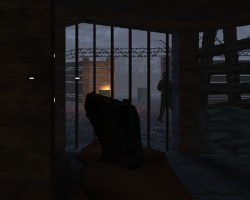
Beyond daily inspections, the checkpoint must withstand external pressures. Infrastructure upgrades expand capacity and improve defensive systems. Financial resources earned through successful operations can be allocated toward facility expansion, improved containment zones, or defensive equipment. Night cycles may introduce external attacks, requiring rapid tactical responses. Strategic planning ensures that daily classification decisions align with long-term stability goals.
Progression And Replay Structure
Multiple outcome paths are determined by cumulative decision accuracy and infrastructure management. Successful containment may lead to extended operational scenarios, while repeated errors can destabilize the camp. Because each session presents varying arrival patterns and resource conditions, different strategies produce distinct developments. The absence of rigid progression tiers keeps focus on procedural accuracy and adaptive management. By structuring gameplay around inspection logic, infrastructure planning, and consequence-driven events, Quarantine Zone: The Last Check maintains engagement through systemic variation and decision-based outcomes.
Advertisement




























































Comments