


























Advertisement
Roblox in Browser
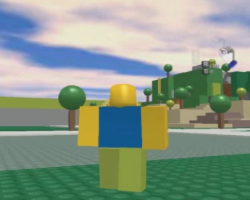
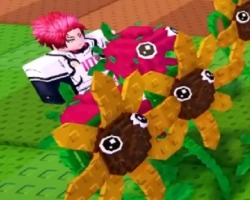
Roblox in Browser provides access to a large collection of user-created experiences rather than one game with a single storyline. After choosing an experience, the player enters a server with their Roblox avatar and follows the rules designed by its creator. Available genres include obstacle courses, role-playing worlds, survival games, shooters, simulators, horror adventures, tycoons, racing games, and social spaces.
A Different Objective in Every Experience
There is no universal plot because each Roblox project has its own setting and goals. One experience may ask players to escape a monster, while another focuses on building a business, raising pets, completing an obstacle course, or exploring a city. Story-based games can contain chapters and scripted events, while sandbox worlds allow players to choose their own activities without reaching a final ending.
Moving and Interacting with the World
Most experiences use a third-person camera, although some switch to first-person view. Basic movement remains similar across the platform, but creators can add custom controls for combat, vehicles, tools, or special abilities. Interface buttons usually show the actions available in the current game. Players should read the description and any tutorial because an input that performs an attack in one experience may activate a completely different ability in another.
Common controls include:
- Use WASD or the arrow keys to move the avatar.
- Press Space to jump.
- Move the mouse to rotate the camera.
- Click objects, buttons, or characters to interact.
- Use number keys to select tools from the inventory.
- Press the displayed key to enter vehicles or activate abilities.
- Open the menu to adjust settings or leave the current experience.
Progress Across Separate Worlds
Roblox in Browser does not have one shared level system. Progress is stored separately inside each experience and may involve character levels, money, pets, equipment, badges, completed stages, or unlocked locations. Obstacle games divide the route into checkpoints, while simulators often use upgrades and rebirth systems. Role-playing experiences may have no formal progression beyond avatar customization and player-created stories.
Advertisement

















































Comments