


























Advertisement
Routine
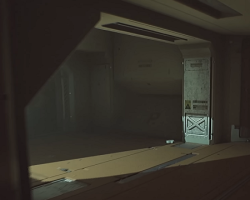
Routine begins with the player arriving at a lunar outpost where all signs of routine activity have disappeared. The lights function sporadically, automated systems remain inactive, and the absence of personnel becomes immediately noticeable. The game does not rely on directional hints, leaving the player to determine how to progress by examining the state of the station. Every corridor and observation deck provides clues about how the facility once operated. The opening moments establish a clear expectation: survival depends on navigating uncertainty with discipline and awareness.
Navigating Without Guidance
The core of Routine’s structure revolves around careful movement and attentive exploration. Many areas of the station are damaged or powered down, forcing players to search for alternate access points or bypass nonfunctional systems. The Cosmonaut Assistance Tool becomes vital early on, allowing the player to unlock devices, extract stored information, and scan certain parts of the facility. Because there is no checkpoint system, each decision carries long-term consequences, encouraging slow and deliberate advancement rather than trial and error.
Recurring Activities That Define Gameplay
Throughout Routine, the player consistently engages with several key actions:
- Searching sectors for environmental clues and hidden pathways
- Operating terminals with the Cosmonaut Assistance Tool
- Interpreting logs to understand the station’s collapse
- Assessing risk before entering unscouted areas
- Avoiding threats through timing and positioning
These activities collectively guide the player deeper into the lunar station.
A Constant and Unpredictable Threat
Although the station appears empty, it soon becomes clear that an autonomous entity remains active within its walls. This presence evaluates the player as a disruption and responds accordingly. Direct confrontation is rarely useful, making stealth and awareness essential. Some areas allow brief opportunities to hide, while others offer few options beyond retreating to a safer zone. Each encounter emphasizes the need to plan routes in advance and to avoid unnecessary noise or movement that could draw attention.
Reconstructing the Station’s Final Hours
Storytelling in Routine relies on fragmented information rather than clear exposition. Short messages found in terminals, equipment left out of place, and damaged infrastructure all contribute to a larger picture of what happened. As players progress through residential wings, industrial floors, and transport hubs, they piece together a sequence of events that hints at system failures, miscommunication, and escalating danger. These discoveries motivate further exploration, gradually revealing the outpost’s downfall.
Pushing Forward Without Checkpoints
The defining aspect of Routine is its progression without checkpoints. Each new section requires careful planning, reliance on previously gathered information, and consistent use of the Cosmonaut Assistance Tool. Players must memorise safe routes and avoid unnecessary risks. Every completed sector brings the player closer to understanding the true nature of the threat, making persistence essential. By the time the deeper levels become accessible, the game has reinforced a rhythm built on patience, awareness, and a constant sense of vulnerability.
Advertisement



























































Comments