


























Advertisement
Scarlet Skips
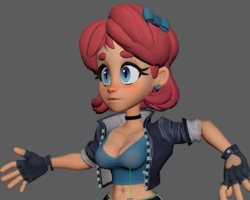
Scarlet Skips follows Scarlet as she tries to pull herself out of a low point by going outside and skipping rope. The story setup is deliberately simple: rather than sending her through a sequence of narrative missions, the game turns each jump into part of a longer attempt to keep moving and improve a score. The central objective is to survive as long as possible, build momentum during a run, and use roguelike upgrades to change how the rope and Scarlet’s jumps behave.
One-Button Skipping
The entire control scheme is based on pressing, holding, and releasing a single button. Timing determines when Scarlet leaves the ground and how successfully she clears the rope, so even though there are very few inputs, mistakes can quickly end a run. The challenge comes from maintaining a consistent rhythm while the setup becomes harder and the player tries to push toward a higher score.
Roguelike Upgrades
Leveling up pauses the run long enough to present three random power-ups. There are ten upgrade cards in the pool, and their effects can be stacked or combined, allowing the same basic skipping mechanic to develop in different directions. Some upgrades increase jump height, while others add another jump rope or even set a rope on fire.
A run can involve:
- timing each jump with one-button controls;
- choosing one of three random upgrades;
- stacking repeated cards;
- adding extra jump ropes;
- increasing jump height;
- creating more difficult combinations;
- chasing a higher score.
Building a Run
Scarlet Skips does not focus on conventional stages with separate mission objectives. Progress instead revolves around how long Scarlet can continue skipping, when level-ups occur, and which upgrades appear during that attempt. Different card combinations can create easier or more demanding setups, giving players room to experiment with builds or impose their own restrictions on a run.
Scarlet’s movement also reacts dynamically to what is happening during play, with different animations blending together as conditions change. The overall loop stays focused: begin skipping, time each press and release, survive long enough to level up, choose an upgrade, and continue until the run ends. Repeated attempts are therefore about improving timing, testing new combinations, and finding a build that can produce a longer run and a higher final score.
Advertisement

























































Comments