
























Advertisement
Scrabble Against Computer
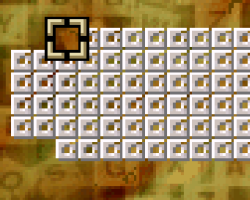
Some turns in Scrabble Against Computer are less about finding the longest word and more about choosing the move that leaves the board in the safest position. The player faces an AI opponent in a standard word-building match, drawing letter tiles and placing them on a shared grid. There is no story mode or exploration system. The objective is simply to finish the match with more points by combining vocabulary, tile values, and board control.
Use the Rack Efficiently
Each turn begins with the letters currently available on the rack. Players look for a valid word that can connect to the existing layout, then place it horizontally or vertically. Since every tile has its own value, a short word using an expensive letter can sometimes score better than a longer word made from common tiles.
Useful decisions include:
- keeping a good balance of vowels and consonants;
- placing difficult letters before the board becomes crowded;
- checking whether one move creates several words at once;
- using premium squares when they provide a real advantage;
- avoiding placements that open easy scoring lanes for the AI;
- exchanging weak tiles when the rack has few useful options.
Using all seven tiles in one move provides an extra bonus, so players may sometimes hold a promising combination instead of breaking it apart immediately.
Read the Computer’s Opportunities
The computer plays from its own rack and searches for a legal move after every turn. Because of this, the board itself becomes part of the strategy. Leaving an open Triple Word square beside an easy attachment point can give the AI a much stronger response than expected.
Defensive play can involve blocking premium spaces, placing words in areas with limited extensions, or using letters that make future connections awkward. At the same time, playing too defensively can reduce your own score, so the best move often balances immediate points with the position it creates for the next turn.
Think About the Endgame
Late in the match, the remaining tile pool becomes increasingly important. Players have fewer chances to replace awkward letters, and keeping a high-value tile too long can become costly if the game ends before it is used.
The final phase rewards careful planning. A small word that removes a difficult Q or Z may be more useful than waiting for a larger combination that never appears. Players also need to watch how many tiles remain and whether the computer is close to emptying its rack.
Advertisement
















































Comments