


























Advertisement
Shutter Story
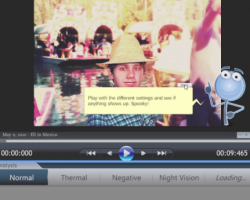
Shutter Story is a single-player horror investigation game built around the examination of visual records linked to a family’s past. The player is given access to photographs and video materials that initially appear ordinary but gradually suggest inconsistencies. Progress does not depend on fast reactions or complex controls, but on the ability to notice details and connect them logically. The game frames its narrative through accumulated observations, allowing the player to uncover events by studying what is shown rather than being told directly.
Investigation Role and Visual Focus
The player’s role in Shutter Story is defined by observation and interpretation. Instead of guiding a character through constant action, the game places emphasis on reviewing and understanding visual material. Photographs and recordings are presented without explicit instructions, requiring the player to determine which elements matter. This design shifts responsibility to the player, making conclusions dependent on attention and reasoning rather than scripted prompts.
Analysis Systems and Gameplay Loop
The core gameplay loop in Shutter Story revolves around repeated cycles of inspection and interpretation. Players interact with media using a set of tools that allow closer examination and comparison. The main systems that support this process include:
- Manual review of photographs and video footage
- Adjustment of visual properties to expose hidden details
- Identification of irregular elements within media
- Recording and organizing discovered evidence
- Unlocking new investigation stages through findings
These mechanics create a steady rhythm where careful analysis directly influences progression.
Exploration Segments and Environment
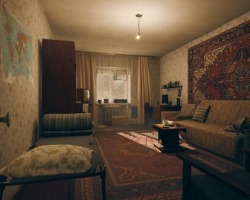
At certain points, Shutter Story transitions from static analysis to first-person exploration. These environments are tied directly to the visual materials being studied and serve to contextualize the evidence. Locations are limited in size and scope, focusing on observation rather than navigation. Objects and spatial details often mirror elements found in the images, reinforcing the relationship between recorded media and physical spaces.
Narrative Construction Through Evidence
The narrative in Shutter Story is constructed indirectly through visual clues and environmental changes. Dialogue and exposition are kept minimal, allowing meaning to emerge from the player’s investigative actions. The story remains linear, but the pacing depends on how effectively the player processes information. Rather than branching paths, the game adjusts the flow of events based on evidence interpretation.
Advertisement

























































Comments