


























Advertisement
Slender The Eight Pages
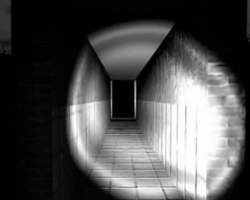
The experience of playing Slender The Eight Pages begins without warning or explanation. The player is placed in a dark outdoor environment with no clear objective presented on screen. There is no introduction, no dialogue, and no visible threat at first. This lack of direction is intentional, pushing the player to explore and understand the situation through movement and observation. The absence of guidance creates an immediate feeling of unease, setting the tone for the entire game.
World Layout And Navigation
The game world consists of a large forest area surrounded by fences, with a handful of recognizable locations scattered throughout. These locations serve as the only points of reference in an otherwise uniform landscape. Since there is no map or waypoint system, navigation depends entirely on the player’s memory and sense of direction. Moving through the environment can quickly become disorienting, especially as visibility decreases and the surroundings begin to feel repetitive. This design choice reinforces the feeling of being lost and vulnerable.
Gameplay Mechanics And Objectives
The central objective is to find eight pages hidden across the map. Each page collected increases the difficulty of the game by intensifying the presence of the enemy. The player is not given tools to defend themselves and must rely on movement and awareness to survive. Key gameplay mechanics include:
- Exploring landmarks to locate hidden pages
- Managing stamina while running
- Using sound cues to detect danger
- Avoiding prolonged visual contact with the enemy
- Choosing routes carefully to prevent being trapped
These mechanics remain consistent throughout the game, but their impact grows as the threat becomes more aggressive with each page collected.
Atmosphere And Sensory Design
Sound and visual distortion are central to how Slender The Eight Pages creates tension. Static noises, sudden screen flickers, and distant footsteps warn the player of nearby danger. The flashlight provides limited visibility, forcing players to decide between moving quickly or scanning their surroundings carefully. Silence is used as a tool, making even small audio cues feel significant. This combination of limited information and constant uncertainty keeps the player in a heightened state of alertness.
Advertisement


























































Comments