
























Advertisement
Social Interaction Trainer
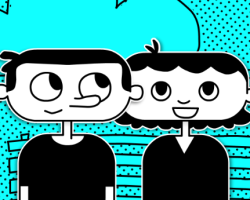
Social Interaction Trainer is a puzzle simulator about handling social situations. The game does not have a long adventure plot, a combat system, or a large world to explore. Its main idea is to place the player in short social scenes and ask them to choose or perform the correct behavior. The story is not presented as one continuous narrative. Instead, the game is built around separate situations that test attention, timing, and interpretation.
Social Situations as Challenges
The player faces scenes based on everyday interaction. Each scene works like a small test where the user has to understand what is happening and decide how to act. The game uses awkward or unusual moments to make the player think about social rules. Progress depends on learning what each situation expects, not on collecting items or defeating enemies.
Levels and Tasks
Social Interaction Trainer does not use levels in the same way as a platformer or action game. Its structure is closer to a set of interaction puzzles. Each situation has its own rule, and the player may need several attempts to understand it.
During the game, the player may need to:
- observe the scene;
- read the situation correctly;
- choose the right moment to act;
- avoid incorrect behavior;
- repeat a failed scene;
- learn from hints or results;
- continue to the next social challenge.
Gameplay Format
The gameplay is based on simple inputs and specific reactions. The player does not freely explore large locations. Instead, the focus is on the current screen and the social task in front of them. A scene can fail if the player acts too early, too late, or in the wrong way. This makes the game work like a puzzle about behavior rather than a normal training program.
How to Play
To play Social Interaction Trainer, the user starts a scenario and watches what happens on the screen. The player should pay attention to the other character, the context, and any visual clues before acting. If the scene fails, the player can restart and try another approach. The goal is to pass each social situation by understanding its rule and choosing the correct action.
Advertisement

















































Comments