


























Advertisement
Sonic Robo Blast 1
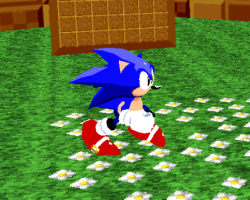
Sonic Robo Blast 1 is an early fan-made platform game based on the Sonic the Hedgehog series. The game was released in 1998 and created by a developer known as Sonikku, who later became part of the group Sonic Team Junior. It represents one of the earliest attempts by fans to recreate Sonic-style gameplay on personal computers. The game follows the basic structure of classic Sonic titles where the player controls a character running through levels, collecting rings, and defeating robotic enemies. Sonic Robo Blast 1 introduced several ideas that later influenced other fan projects in the Sonic community.
Platform Gameplay
In Sonic Robo Blast 1, players move through side-scrolling levels that contain platforms, obstacles, and enemy robots. The main objective in each stage is to reach the end while avoiding hazards and collecting rings. Rings function as a form of protection, allowing the player to survive damage from enemies or environmental traps. The levels include ramps, moving platforms, and vertical sections that require jumping and precise timing. Because the character moves quickly, players must react carefully to obstacles that appear during high-speed movement across the level.
Main Gameplay Elements
Several gameplay elements form the structure of Sonic Robo Blast 1 and define how players interact with the game world.
- Running through side-scrolling platform levels
- Collecting rings that protect the player from damage
- Defeating robotic enemies using spin attacks
- Navigating obstacles such as spikes and pits
- Completing stages and progressing through zones
These mechanics are similar to traditional Sonic platform games and create a familiar gameplay loop.
Characters And Enemy Design
The game features characters inspired by the Sonic series who must confront robots created by an opposing force. Enemies appear in different forms across each stage and attempt to block the player’s progress. Some enemies move along fixed paths, while others attack when the player approaches. The player can defeat these enemies by jumping onto them or performing a spinning attack. Boss encounters may appear at the end of certain zones, requiring players to avoid attacks and strike at specific moments.
Sonic Robo Blast 1 became notable within fan communities because it demonstrated that independent developers could recreate Sonic-style gameplay using available tools. The project helped establish a foundation for later fan games and eventually led to the development of its successor, Sonic Robo Blast 2. Over time, the game gained recognition among players interested in fan-created Sonic projects and early experiments with community-driven game development.
Advertisement






















































Comments