

























Advertisement
Street Fighter II
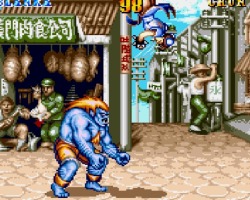
Street Fighter II is a two-dimensional fighting game where players compete in direct combat using characters with different martial arts techniques, movement speeds, and special attacks. Released by Capcom, the game became widely known for expanding competitive arcade gameplay and introducing mechanics that later became standard across the fighting genre. Matches take place between two opponents inside themed arenas, with the goal of winning rounds by reducing the enemy’s health before time runs out.
Combat Mechanics and Controls
The gameplay is based on combinations of movement, defensive actions, and attack timing. Players can jump, crouch, block, and chain together different punches and kicks depending on the selected fighter. Each character also has signature techniques triggered through directional commands and button combinations. Successful play depends on reaction speed, positioning, and understanding attack range. Mistimed actions often leave fighters open to counterattacks, making precision an important part of every match.
Character Variety and Matchups
The roster includes fighters representing different countries and combat styles. Some characters focus on long-range projectile attacks, while others rely on fast movement or grappling techniques. Because every fighter behaves differently, players must adapt strategies depending on the matchup. Learning character strengths and weaknesses becomes a major part of progression, especially during multiplayer sessions.
- Perform special attacks through directional input combinations
- Block enemy strikes to reduce damage taken
- Use different fighters with unique combat styles
- Compete across multiple stages and tournament brackets
- Improve timing, spacing, and reaction speed during matches
Arcade Competition and Multiplayer
One of the defining features of Street Fighter II was its competitive arcade structure. Players could challenge others directly by inserting coins into the cabinet, instantly replacing computer-controlled opponents with real competitors. This system created a strong multiplayer environment focused on skill development and repeated practice. Over time, players developed advanced techniques and strategies that expanded the depth of the combat system far beyond basic controls.
Long-Term Influence and Replayability
Replayability comes from mastering different fighters and improving performance against other players. Multiple updated editions introduced balance adjustments, faster gameplay, and additional playable characters, helping maintain long-term interest. The game also became a foundation for modern fighting tournaments and competitive gaming communities.
Even decades after release, Street Fighter II remains recognized for establishing many of the systems still used in fighting games today, including character-specific movesets, combo-focused combat, and direct competitive multiplayer design.
Advertisement























































Comments