


























Advertisement
Tales Beyond The Tomb – Route 86
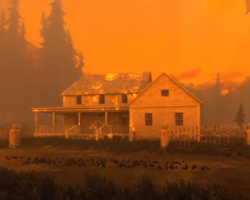
Tales Beyond The Tomb – Route 86 is a narrative horror game created as an individual episode within an anthology series. The game follows a group of people traveling along a remote highway, where an ordinary trip develops into a sequence of unsafe situations. The experience is linear and guided, with the player moving through predefined locations that support the story. Instead of freedom or customization, the game relies on controlled progression and situational awareness to deliver its core experience.
Narrative Focus and Structure
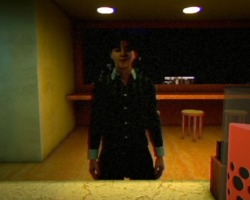
The story is presented through a chapter-based structure that alternates between different characters. Each chapter highlights a specific moment during the journey and contributes additional context to the overall situation. This approach allows the player to understand events from several viewpoints without altering the main storyline. Information is revealed through dialogue, environmental details, and scripted interactions, keeping the narrative clear and consistent throughout the game.
Gameplay Design and Interaction
Route 86 is played entirely from a first-person perspective and emphasizes movement, timing, and awareness. Players are not given weapons or combat tools, and most encounters require avoidance rather than confrontation. Interaction is limited to actions that support narrative progression. The main gameplay components include:
- First-person navigation through restricted areas
- Stealth-based movement and hiding
- Environmental interactions that trigger events
- Chapter transitions between playable characters
- Optional microphone input that responds to player noise
These elements work together to create tension while maintaining simple and accessible controls.
Environment Layout and Pacing
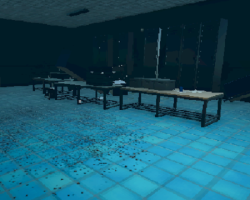
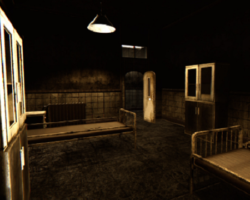
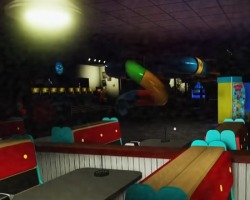
The environments in Tales Beyond The Tomb – Route 86 are designed to control pacing and guide player behavior. Locations such as road segments, interiors, and enclosed spaces restrict movement and visibility. Each area serves a specific narrative purpose and is arranged to reduce unnecessary exploration. Lighting and environmental sound cues help indicate danger or direction, minimizing the need for on-screen guidance.
Audio and Visual Direction
Visual presentation in Route 86 is realistic and functional, prioritizing clarity over complexity. Assets are used to reinforce the setting rather than to introduce visual variety. Audio plays a key role in communicating threat and progression, with ambient sounds and character dialogue shaping player response. Periods of reduced sound are used intentionally, requiring players to rely on attention and restraint.
Advertisement
























































Comments