


























Advertisement
The Auction
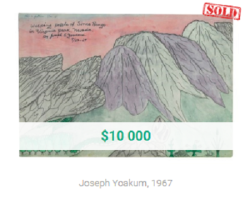
A painting may look inexpensive and still sell for millions, while a recognizable name does not guarantee the highest result. The Auction builds its gameplay around this uncertainty. Players review a series of artworks and try to predict the amount paid for each one at auction. The closer an estimate is to the real sale price, the more points are added to the current score.
Information Available Before the Guess
Every lot is presented with an image and several identifying details. These usually include the artist, artwork title, and creation date. The selling price remains hidden until the player submits an answer. There are no competitors raising bids and no virtual currency to manage. The word “auction” refers to the source of the recorded prices rather than a live bidding system.
A Gallery Divided into Nine Rounds
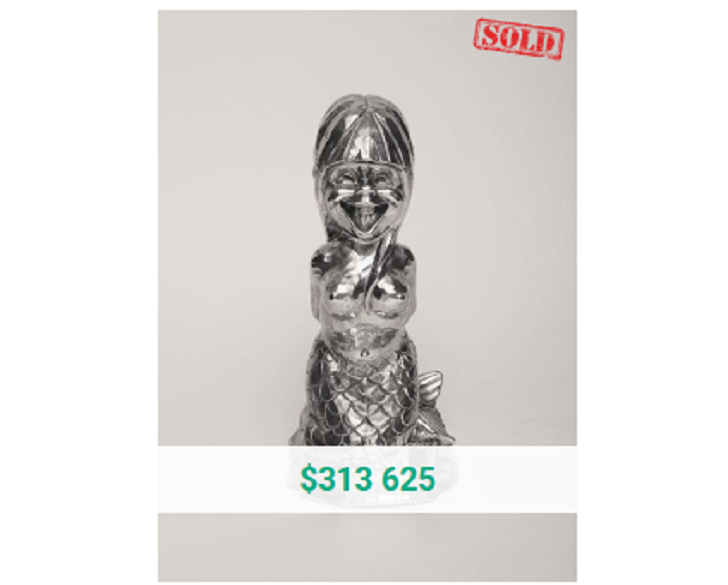
One playthrough contains nine works, with each item acting as an individual stage. The collection can include paintings, sculptures, furniture, and decorative art from different periods. Values may range from relatively affordable lots to works sold for tens of millions of dollars. After every response, the correct figure is displayed and the next item becomes available.
Several details can guide an estimate:
- the reputation and market history of the artist;
- the age and artistic period of the work;
- whether the item appears unique or collectible;
- materials, format, and subject matter;
- price ranges revealed by earlier lots.
Scoring Accuracy Rather Than Knowledge
To play, examine the artwork, review its information, select an estimated dollar value, and confirm the answer. Exact knowledge of art history is not required, but familiarity with artists can improve results. It is also useful to avoid using one fixed price range for every lot, since auction values differ greatly between creators and categories. A single inaccurate guess can reduce the final score.
The Auction calculates the complete performance on a scale from 0 to 1,000 points after all nine rounds. It has no narrative ending, character upgrades, achievements, or numbered campaign chapters beyond the sequence of lots. Starting a new session provides another opportunity to compare visual impressions with actual market values. Repeated attempts help players recognize how little an auction price may depend on size, detail, or the amount of time apparently required to produce the work.
Advertisement



























































Comments