
























Advertisement
The One Behind You
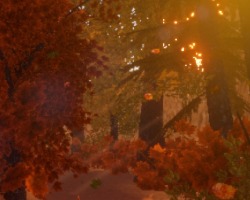
The One Behind You is a short psychological horror game created by Santiago Garcia. The game focuses on narrative-driven exploration and follows the daily routine of a disturbed main character named Toby. Players experience events from his perspective while exploring environments that gradually become more unsettling. The game combines first-person exploration, scripted scenes, and psychological tension instead of action-heavy gameplay. Its structure is linear, with progression tied to story events and environmental interactions.
A Day That Slowly Changes Direction
The story presents what initially appears to be an ordinary day, but strange details quickly begin to appear around the player. As the game continues, it becomes less clear whether the events are real or connected to Toby’s mental state. Dialogue, environmental design, and encounters with unusual figures slowly reveal more information about the protagonist. The narrative leaves several details open to interpretation, encouraging players to analyze what they see during the experience. Some scenes suggest that Toby may be connected to violent or disturbing events happening around him.
Gameplay Elements and Structure
- First-person psychological horror gameplay
- Linear story progression
- Environmental storytelling
- Exploration-focused mechanics
- Scripted horror encounters
- Dialogue and narrative sequences
- Short single-session playtime
- Multiple unsettling locations
The One Behind You does not feature separate levels in the traditional sense, but the story moves through several distinct environments connected to Toby’s routine and memories. Each new area introduces different events, visual details, or encounters that expand the narrative. Some sections focus on quiet exploration, while others introduce chase sequences or sudden changes in atmosphere. The game gradually increases tension instead of relying on constant jump scares, making observation important during progression.
Understanding the World Around Toby
To play The One Behind You, players mainly move through environments, interact with objects, and follow the unfolding story. Controls are simple and designed around exploration rather than complex mechanics. Paying attention to sound cues and environmental changes helps players understand the situation and anticipate upcoming events. Since much of the narrative is presented indirectly, exploration and observation become important parts of understanding the game’s meaning and the mental state of its main character.
Advertisement






















































Comments