
























Advertisement
To Eat A God
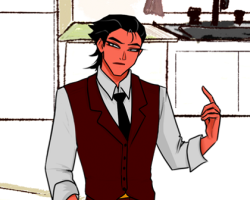
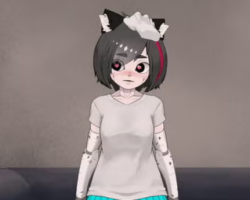
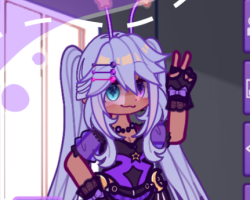
To Eat A God is an indie visual novel that combines horror themes with interactive dialogue and branching narrative paths. Players take the role of a “puppet” character placed inside a controlled environment, where they must follow assigned roles without disrupting the logic of the world. The gameplay revolves around conversations with powerful entities referred to as gods, where each choice influences how the story unfolds and how characters respond.
Core Gameplay And Dialogue System
The gameplay in To Eat A God is based on reading dialogue and selecting responses that affect relationships and outcomes. Each interaction carries weight, as characters react differently depending on tone, consistency, and previous decisions. The system tracks these choices, creating a branching structure that leads to multiple routes.
Players are required to maintain their role within the story. Breaking expected behavior can result in negative consequences or abrupt endings. This creates a balance between following instructions and exploring alternative responses. The experience emphasizes careful reading and understanding character behavior rather than fast reactions.
Characters And Route Structure
The game includes several main characters, each representing a separate narrative path. Players can explore different routes by making specific choices and unlocking dialogue conditions. Each route reveals unique scenes and perspectives on the overall story.
- Choose dialogue options that match character expectations
- Track previous decisions across scenes
- Unlock hidden routes through specific choices
- Replay sections to discover alternative paths
- Observe changes in tone and reactions
These strategies help players access more content and understand the structure.
Narrative And Progression
To Eat A God features a non-linear narrative with multiple endings. Progression depends on how players interact with characters and which routes they follow. Some endings are reached quickly, while others require consistent choices across multiple scenes.
The story is presented indirectly through dialogue, character behavior, and subtle hints. Players must connect these elements to understand the broader context. The structure encourages replay, as not all content is accessible in a single playthrough.
Atmosphere And Themes
The game uses minimal visuals combined with detailed writing to create tension. Themes include control, identity, and the relationship between player and character. The concept of maintaining a role within a system adds psychological pressure to decision-making.
Tone shifts occur gradually, with dialogue becoming more intense or unstable depending on choices. This creates a sense of unpredictability and requires players to stay attentive throughout the experience.
Advertisement












































Comments