


























Advertisement
Ultraman Z
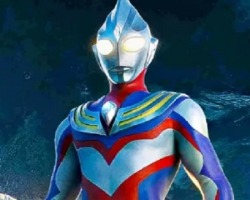
Ultraman Z is represented in game adaptations as an action combat experience where the player controls a giant hero engaged in battles against large-scale enemies. The gameplay centers on direct confrontation in open arenas, where movement, attack timing, and ability usage define the outcome of each encounter. The structure follows a mission-based format, with each stage presenting a separate combat scenario.
Movement And Combat Flow
The player controls Ultraman Z in real time, using basic movement to position the character within the arena. Combat includes close-range strikes and defensive maneuvers such as dodging or blocking. Positioning plays an important role, as distance from enemies affects both attack effectiveness and vulnerability.
Encounters are continuous, with little downtime between actions. Players must react to enemy attacks while maintaining pressure through their own offensive moves. This creates a steady flow where decisions are made under constant movement.
Forms And Ability Management
Ultraman Z has access to multiple forms, each with different capabilities. Some forms focus on speed and mobility, while others provide stronger attack power or improved ranged options. Switching between forms allows adaptation to different combat situations.
Abilities often rely on an energy system. Using powerful attacks reduces available energy, requiring players to manage resources carefully. This adds a layer of planning, where the timing of abilities affects overall performance.
Main Gameplay Elements
- Real-time combat against large enemies
- Multiple transformation forms with unique traits
- Combination of melee and ranged attacks
- Energy management affecting ability use
- Mission-based progression with structured encounters
Enemy Patterns And Battle Design
Enemies follow specific attack patterns that must be observed and countered. Some focus on direct assaults, while others use area-based attacks or defensive behavior. Learning these patterns is necessary to avoid damage and respond effectively.
Battle arenas are designed to support large-scale movement. Open spaces allow repositioning, while environmental elements may influence how fights develop. This creates variation between encounters without changing core mechanics.
Player Experience And Progression
Ultraman Z games are structured around sequential missions where each completed stage leads to the next. There is no open-world exploration, and progression depends on finishing combat scenarios. Difficulty increases through stronger enemies and more complex attack patterns.
Advertisement

















































Comments