


























Advertisement
UMIGARI
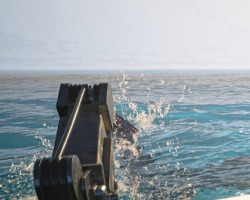
UMIGARI is a first-person fishing exploration game in which the player operates a small boat in open coastal waters. The central objective is to catch fish using a harpoon, return to shore, and sell the catch for currency. Earnings are reinvested into upgrades that expand travel range and operational efficiency. The game does not rely on structured missions; instead, progression is determined by how effectively the player manages resources and explores new areas.
Early Gameplay And Limitations
At the start of UMIGARI, the boat is equipped with minimal fuel capacity and basic lighting. These limitations restrict exploration to nearby waters. Fishing requires direct input, as the player must manually aim and deploy the harpoon. Different species vary in value, influencing how quickly improvements can be purchased.
Fuel management plays a central role. Traveling too far without sufficient reserves can interrupt progress. Returning safely to port ensures that earnings can be converted into upgrades. Early gameplay focuses on establishing a stable cycle of short trips and incremental investment.
Core Systems And Advancement
UMIGARI operates through a focused set of mechanics:
- Manual harpoon-based fishing
- Selling catches for in-game currency
- Monitoring fuel levels during exploration
- Upgrading engine, lighting, and storage
- Unlocking access to distant ocean sectors
These systems interact continuously, reinforcing a structured loop of preparation, travel, and return.
Environmental Progression And Subtle Horror
As the player upgrades equipment and ventures farther from shore in UMIGARI, environmental conditions gradually change. Fog becomes more prominent, visibility decreases, and unfamiliar marine forms appear. Some creatures display unusual characteristics that differ from early encounters.
The game integrates tension through isolation and environmental signals rather than direct confrontation. There is minimal narrative exposition, and events are conveyed through observation. Routine fishing activities remain consistent, but the tone shifts as exploration extends into less predictable waters. UMIGARI maintains its economic and mechanical foundation while gradually introducing atmospheric uncertainty within the same gameplay structure.
Advertisement




























































Comments