


























Advertisement
War Inc Rising
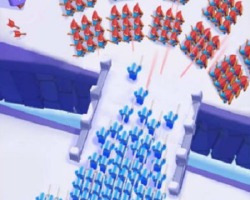
War Inc Rising is a strategy game built around defending a fortified base while managing long-term military development. The player is placed in control of a command center that must survive repeated enemy assaults across a series of missions. Instead of direct unit control, the game emphasizes preparation, positioning, and system interaction. Each mission contributes to overall progress, making consistency and planning more important than isolated victories.
Structure Of Missions And Enemy Waves
Each mission in War Inc Rising follows a wave-based structure. Enemies attack in organized groups, often with different strengths and behaviors that test defensive layouts. Before combat begins, the player prepares by choosing structures and arranging them around the base. Once the battle starts, outcomes depend largely on those initial decisions. As missions advance, enemy compositions become more varied, requiring players to adapt layouts rather than reuse the same strategy repeatedly.
Heroes, Defense Systems, And Coordination
Heroes play a supporting but critical role in combat. They provide abilities that enhance defense efficiency, increase damage, or offer utility effects. Defensive structures form the core of protection, while heroes influence how effectively those structures perform. Upgrades improve both elements over time, creating layered decision-making where short-term strength must be balanced against future needs.
During the middle phase of gameplay, players repeatedly manage a set of interconnected actions:
- placing and upgrading defensive buildings
- selecting heroes suited to incoming enemy types
- allocating resources between immediate upgrades and savings
- analyzing failed defenses to refine placement
- preparing for stronger waves and special encounters
This cycle links tactical decisions with long-term growth.
Game Modes And Strategic Focus
War Inc Rising offers several modes that highlight different aspects of strategy. Standard missions focus on solo progression and base improvement. Cooperative modes allow players to defend together, requiring coordination and shared planning rather than individual execution. Competitive modes compare player performance indirectly through rankings and outcomes, emphasizing efficiency and development choices instead of direct conflict.
Advertisement


























































Comments