


























Advertisement
Windows XP Simulator
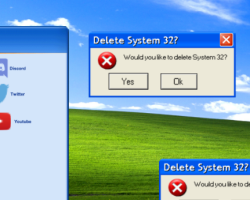
Windows XP Simulator is a software-style game that recreates the experience of using a classic desktop operating system in an interactive format. The player is placed in a virtual environment that resembles an early personal computer interface, complete with familiar visual elements and system behavior. The goal is not to win or finish levels, but to interact with the system, explore features, and trigger reactions through typical desktop actions. Each session functions as an isolated experience focused on interaction rather than progression.
Interface Layout And User Interaction
The simulator presents a desktop layout inspired by legacy operating systems, including icons, windows, and a taskbar. Players interact using standard mouse-style inputs such as clicking, dragging, and opening folders. Applications respond in ways that reflect expected system behavior, allowing players to navigate menus and settings freely. There is no required sequence of actions, so users can explore at their own pace. The environment encourages curiosity and experimentation rather than structured objectives.
System Behavior And Simulated Functions
Windows XP Simulator imitates common system functions such as opening programs, managing files, and responding to errors. Actions may result in pop-up messages, system sounds, or visual feedback that mirrors older software behavior. The simulator does not attempt to replace a real operating system, but instead focuses on recreating recognizable interactions. This design allows players to observe cause-and-effect relationships through simple system actions.
Core Gameplay Elements
The experience of Windows XP Simulator is built around several recurring elements:
- A virtual desktop with interactive icons
- Window-based navigation and menus
- Simulated system messages and responses
- User-driven exploration without objectives
- Resettable sessions for repeated interaction
These elements remain consistent throughout use. Since there are no upgrades or achievements, engagement comes from exploring how the system reacts rather than unlocking new content. Each interaction serves as feedback rather than progress.
Player Choice And Exploration Style
Players decide how deeply they want to engage with the simulated environment. Some may open applications randomly, while others explore settings or trigger known system behaviors. There are no penalties for incorrect actions, which supports experimentation. Because responses are immediate, players quickly learn how different inputs affect the system. This open-ended structure keeps control entirely in the user’s hands.
Advertisement




























































Comments