


























Advertisement
Dam Haji
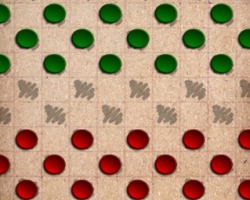
Dam Haji is a Malaysian checkers-style board game where two players move pieces diagonally, make captures, and try to control the board. The game does not have a story, characters, quests, or level-based progression. It is a traditional strategy game played as a direct match between two sides. The main objective is to capture all opponent pieces or block the opponent so they have no legal moves left.
The Board Before the First Capture
A match begins with pieces arranged on opposite sides of the board. Digital versions may allow different board sizes, including 8×8, 10×10, or 12×12 layouts. The number of pieces can also change depending on the selected board and rule set. This means Dam Haji can feel familiar to players who know draughts, but the exact match length and movement space may vary by version.
Rules That Shape Each Turn
Dam Haji is played in turns. A regular piece moves diagonally forward to an empty square. When an opponent piece is next to it and there is an empty square behind that piece, a capture can be made by jumping over it. In Malaysian/Singaporean checkers, captures are compulsory, and multiple jumps must be continued when possible. A promoted piece is called “Haji” and can move with more freedom than a regular piece.
Main gameplay elements include:
- two-player board strategy;
- diagonal movement across dark squares;
- mandatory captures by jumping;
- multiple captures in one turn when available;
- promotion into a Haji piece;
- victory by capture or blocking all legal moves.
When One Piece Changes the Match
There are no levels in Dam Haji. A full match is one tactical contest, and progress depends on the position of the pieces. Reaching the far side of the board can promote a piece into Haji, which changes how useful that piece becomes. Some mobile versions also include Standard mode, Giveaway mode, and Kapit mode, so the objective or capture logic can change depending on the selected mode.
To play Dam Haji, choose a piece, check its diagonal movement options, and look for required captures before making a normal move. Try to keep pieces connected so the opponent cannot capture them one by one. A good move should protect your position while also creating a path toward promotion. Dam Haji is mainly about board control, forced captures, timing, and using the Haji piece to pressure the opponent.
Advertisement

























































Comments