


























Advertisement
Endoparasitic
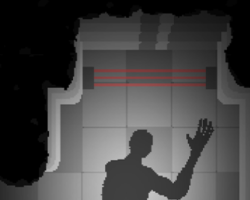
Endoparasitic is a tactical survival horror game set inside a remote asteroid research facility affected by a parasitic outbreak. Players control Cynte, a scientist who survives an attack after losing three of his limbs and becoming infected with a deadly organism. With only one arm remaining, Cynte must drag himself through laboratories, maintenance corridors, and storage areas while searching for vaccines, weapons, and research data connected to the parasite.
One-Handed Gameplay and Combat Systems
The gameplay is built around a unique mouse-controlled system where every action must be performed manually. Players drag Cynte across the environment using his remaining arm while simultaneously aiming weapons, opening doors, and interacting with objects. Reloading is also manual, requiring ammunition to be inserted one bullet at a time during combat situations. Since enemies continue moving during reloads and movement, players must constantly balance positioning, timing, and resource management.
Parasite Mechanics and Survival Elements
The parasite inside Cynte acts as both a narrative feature and a gameplay timer. Infection slowly spreads toward the brain over time, effectively functioning as a constantly decreasing health system. Vaccines temporarily slow the infection, while enemy attacks accelerate parasite progression. Ammunition and medical supplies are limited, forcing players to decide when to fight, evade enemies, or conserve resources for future encounters.
- Move and fight using one-handed mouse controls
- Reload weapons manually during enemy encounters
- Manage parasite progression with limited vaccines
- Solve environmental puzzles and lockbox challenges
- Survive mutated creatures and boss encounters
Atmosphere and Environmental Design
The game uses a top-down perspective with low-resolution visuals and heavy sound design to create tension inside the asteroid facility. Areas include research laboratories, maintenance tunnels, reception zones, and hidden experimental sections connected through narrow corridors. Environmental storytelling appears through computer logs, notes, and voice communication between surviving researchers. Some sections also introduce stealth mechanics where players must move carefully to avoid attracting sound-sensitive enemies.
Replayability comes from higher difficulty settings, challenge modes, and optimization-focused gameplay. Hard mode changes enemy behavior, reduces available resources, and disables many save opportunities. Players often revisit the game to improve survival efficiency or complete additional roguelike content introduced through later updates. Community discussions frequently highlight the unusual one-handed control system and the constant tension created by manual interaction mechanics.
Advertisement






















































Comments