























Advertisement
K-pop Demon Hunters 2
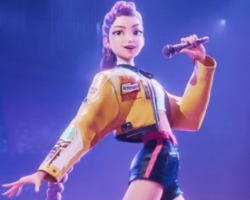
K-pop Demon Hunters 2 is a rhythm action game where a global idol group continues fighting supernatural enemies hidden inside the entertainment industry. After the events of the first game, the barrier separating the human world from the demon realm becomes unstable again. Reports of strange disappearances and corrupted performances begin spreading during international tours, forcing the members of HUNTR/X to return to their roles as secret hunters.
Story and Character Development
The story follows the group as they travel through different countries while investigating incidents connected to demonic influence. Publicly, the characters continue performing at concerts and media events, but privately they search for organizations using music and fan energy to strengthen supernatural forces.
The sequel places more attention on relationships inside the team. Constant pressure from fame, dangerous missions, and personal secrets creates conflict between the members during the campaign. Some characters develop stronger supernatural abilities, while others begin losing control over the energy they use during combat. Rival idol groups and corrupted performers also become central parts of the story.
Gameplay and Core Mechanics
K-pop Demon Hunters 2 combines rhythm challenges with action combat and progression systems. Main gameplay features include:
- Concert-based rhythm gameplay
- Fast-paced combat encounters
- Character-specific abilities
- Unlockable music tracks and outfits
- Story chapters with boss fights
Players complete rhythm sections by matching note patterns during performances. Maintaining long combos increases power levels and activates special attacks used during combat missions. Different characters use different fighting styles, including ranged attacks, support skills, and defensive abilities.
Missions and Replayability
The game is divided into chapters connected to concerts, investigations, and supernatural battles. Some missions take place inside large arenas and television studios, while others send players into abandoned buildings, underground tunnels, and distorted areas affected by demonic energy.
As players progress, they unlock stronger skills, cosmetic customization options, and additional songs. Boss battles become more difficult during later chapters by combining rhythm mechanics with large-scale combat sequences against powerful enemies.
Advertisement










































Comments